
U.S-Based Expert Support
M–F 9a–5p EST
M–F 9a–5p EST
There are several types of foot braces, and each one does a different job. AFOs lift the foot for foot drop, night splints ease heel pain, and post-op shoes and walking boots protect the foot after surgery or a fracture.

Foot pain is common. Between 13% and 36% of adults report it, depending on the group studied, according to a study in Arthritis Care & Research. The good news is that most foot problems respond well to simple care, and the right foot support brace, from a foot brace for walking to a night splint, is often a big part of it.
This guide covers the main types of foot braces, the conditions they help and how to pick the right one. Each condition section links to a full guide if you want to go deeper.
Foot pain by the numbers
Foot braces fall into five main groups. Some are made for walking, some for sleep, and some protect an injury while it heals. Knowing which group fits your problem narrows your choice fast.
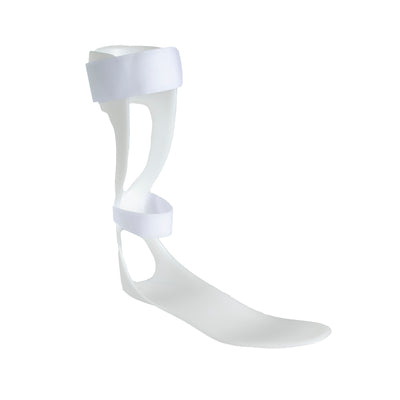
Lift the front of the foot for foot drop.

Hold a gentle stretch while you sleep.

Protect the foot after surgery or a broken toe.

Support a broken foot, ankle or lower leg.

Ease pressure on the big toe.
Most foot braces come in adult sizes, and many also come in children's sizes, such as pediatric post-op shoes and walking boots. Some braces fit either foot, while others are made for the left or right side.
Foot drop makes it hard to lift the front of your foot, so your toes catch or drag when you walk. It is a sign of a nerve, muscle or brain problem, not a disease on its own. Common causes include stroke, multiple sclerosis, narrowing of the spine that presses on nerves, and nerve damage near the knee, according to the National Institute of Neurological Disorders and Stroke.
An ankle-foot orthosis, or AFO, holds the foot up as you step so your toes clear the ground. Most people start with a leaf spring AFO, which is light and fits inside a sneaker.
Stroke is one of the most common causes of foot drop. More than 795,000 people in the US have a stroke each year, according to the CDC. Weakness on one side of the body often makes the foot slap or drag with each step.
An AFO can help you walk more safely while you rebuild strength in therapy. Your physical therapist can tell you how much support you need.
Plantar fasciitis is one of the most common causes of heel pain. The thick band under your foot gets irritated, and your first steps in the morning often hurt the most. About 2 million people are treated for it each year, according to AAOS OrthoInfo.
Most people sleep with their toes pointed, which lets the band tighten overnight. A night splint holds the foot at a gentle stretch, and AAOS calls it very effective at reducing heel pain. More than 90% of people improve within 10 months of starting simple treatment.
A bunion is a bony bump at the base of the big toe. It forms as the big toe slowly drifts toward the smaller toes, a condition called hallux valgus. It is one of the most common foot problems in adults.
Bunion splints can ease pain, but they can't reverse a bunion. Wider shoes and silicone pads can also relieve pressure on the bump. Think of a splint as a comfort tool. Only surgery corrects the bone.
Most broken toes heal without surgery. A roomy shoe and taping the toe to its neighbor can help, and walking comfortably can take several weeks. A post-op shoe has a stiff, flat sole that keeps the toes from bending as you step.
A break in the long bones of the foot, called a metatarsal fracture, usually needs more support. Doctors often treat it with a cast or walking boot, adding weight slowly as it heals. Your doctor will tell you when it is safe to put weight on it.
After bunion, hammer toe or forefoot surgery, your foot needs room for bandages and swelling. A post-op shoe opens wide with adjustable straps, and its rigid sole limits how much the front of the foot bends. Your surgeon will tell you how long to wear it.
Post-op shoes come in adult and children's sizes. Square toe styles give extra room for bulky dressings and protect the toes from bumps.
Diabetes can damage the nerves in your feet, so you may not feel a blister or sore. Nerve damage in the feet is a common problem with diabetes. A small sore can turn into an ulcer that heals slowly.
Offloading means taking pressure off the sore so it can heal. Offloading shoes and walking boots shift your weight away from the wound. Always work with your doctor or wound care team, since they decide which device you need and when to wear it.
Tarsal tunnel syndrome happens when a nerve on the inside of the ankle gets squeezed. It can cause burning, tingling or numbness in the heel and sole. Flat feet, swelling after a sprain and conditions like diabetes or arthritis can all play a part.
Treatment usually starts with rest, ice, arch supports and supportive shoes. A brace can also reduce pressure on the foot when you have flat feet or more severe symptoms. Some people also use a dorsal night splint to keep the foot in a neutral position overnight.
A Lisfranc injury damages the bones or ligaments in the middle of the foot. When surgery isn't needed, treatment often means several weeks in a cast or boot without putting weight on the foot. After that, you start walking in a removable boot.
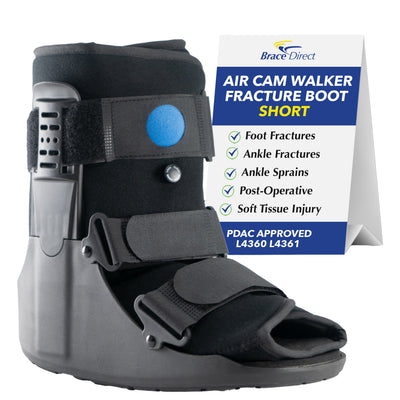
A broken lower leg often moves into a tall walking boot once the bone is stable. Tall boots reach just below the knee and give more support than short boots. Only put weight on the foot when your doctor says it's safe.
Start with where it hurts and what's causing it. Heel pain, foot drop and a broken toe need very different braces.
2Think about when you'll wear it. AFOs fit inside a roomy shoe for walking, night splints are for sleep, and post-op shoes and boots replace your shoe.
3Use the size chart on the product page. Most foot braces are sized by shoe size, but some use foot width or calf size.
Every brace has its own size chart on the product page, so check it before you order. Many foot braces are sized by shoe size, while others use the width of the foot or the calf. Check whether the brace is made for the left or right foot, too. If you're between sizes, our team can help you choose.
Most foot braces have an HCPCS code, the billing code Medicare and insurers use for medical equipment. We don't bill insurance, but you can submit your receipt to your insurer for possible reimbursement. Most of our braces are also HSA and FSA eligible.

US-based team, Monday to Friday
Tell us what's going on with your foot and we'll help you find the right brace. Our specialists can help you choose a size and style before you buy, and after your brace arrives you can use our fitting videos or book a virtual fitting session.
Unused items in their original packaging can be returned or exchanged within 30 days of purchase. See our Return Policy for details.
Contact Our TeamThe main types are AFOs, night splints, post-op shoes, walking boots and bunion splints. AFOs help foot drop, night splints help heel pain, and post-op shoes and walking boots protect the foot after surgery or a fracture.
It depends on where it hurts. Heel pain usually calls for a night splint, toes that drag call for an AFO, a broken toe calls for a post-op shoe, and a painful big toe bump may ease with a bunion splint.
Suggested: Brace Direct 90 Degree Night Splint or Brace Direct Leaf Spring AFO
Yes, if it's made for walking. AFOs, post-op shoes and walking boots are made to walk in. Night splints are for rest and sleep, so take them off before you get up.
Suggested: Brace Direct Post Op Shoe
Follow the plan from your doctor or therapist. Walking braces are worn when you're on your feet, and night splints are worn while you sleep. Take short breaks to check your skin for red marks.
You can buy most of our foot braces without a prescription. If you plan to submit a claim to your insurer, they may ask for one.
Many AFOs and arch supports fit inside a roomy sneaker. Post-op shoes and walking boots replace your shoe on that foot.
Suggested: Brace Direct Leaf Spring AFO
Snug, but not tight. You should be able to slide a finger under each strap. Numbness, tingling or a change in skin color means it's too tight.
It depends on the injury. A broken toe can take several weeks before normal shoes feel comfortable, and a midfoot injury often needs weeks without putting weight on the foot. Your doctor decides when to stop.
Doctors often use an offloading walker boot or a special cast that takes pressure off the wound. Your wound care team will choose the right device for you.
Suggested: Ossur DH Offloading Walker Boot
Yes, many people with diabetes wear walking boots. Because nerve damage can hide rubbing, check your skin every day and tell your doctor about any new sore.