
U.S-Based Expert Support
M–F 9a–5p EST
M–F 9a–5p EST
Ankle surgery recovery usually moves from a splint or cast to a walking boot, then to an ankle brace as you rebuild strength. What to wear after ankle surgery depends on the procedure, while most forefoot surgeries use a post-op shoe instead of a boot.

A boot or post-op shoe shields the surgical site as you start moving.
Removable support makes bathing, skin checks and rehab easier.
A brace bridges the gap between the boot and normal shoes.
Ankle surgery recovery is the time it takes for bone, ligament or joint repairs to heal and for strength to return. It usually happens in stages. Each stage uses a different kind of support, from a firm splint to a light brace.
The most common foot and ankle surgeries are fracture repair (ORIF), ligament repair such as the Brostrom procedure, ankle replacement or fusion, tendon repair, and forefoot surgery for bunions, hammer toes and Morton's neuroma. Recovery times vary a lot between them.
Your surgeon's plan always comes first. This guide explains what each stage usually looks like and what to wear, so you can prepare and ask good questions.
Most foot and ankle surgery repairs damage that rest, bracing and therapy could not improve. These are the most common reasons.
Unstable or out-of-place breaks often need plates and screws to hold the bones.
Repeated sprains or tendon tears can leave the ankle loose or weak.
Worn joints, bunions and hammer toes may need fusion, replacement or realignment.
Support after surgery protects the repair while it heals. A boot or brace supports recovery; it doesn't replace your surgeon's follow-up care.
Nearly everyone needs some support after foot or ankle surgery. These are the groups we help most often.
A boot protects the plates and screws as weight is added.
A boot, then a brace, protects the new repair from rolling.
A boot is common for weeks after the first cast or splint.
A tall boot, often with heel wedges, protects the tendon.
A post-op shoe or short boot protects the forefoot.
Simple straps and removable support make daily care easier.
Post-surgery support controls motion at the surgical site and spreads out the force of each step.
A rigid frame keeps the ankle or forefoot from bending while it heals.
A stiff sole and rocker shape move weight away from the repair.
Adjustable straps and open designs leave room for dressings and swelling.
Most people use several of these in order as they heal.
Used right after surgery to hold everything still.
The usual next step after ankle surgery.
A stiff, open shoe for forefoot and toe surgery.
Semi-rigid or lace-up support after the boot.
Ice packs, wraps and machines to help manage swelling.
Most ankle surgery recovery follows three stages. After ankle replacement, for example, Cleveland Clinic explains that you wear a cast or splint for the first two weeks, then a removable boot. You typically can't put weight on the ankle for four to six weeks.
How long will you be in a boot after ankle surgery? It depends on the surgery. Complete recovery after ankle replacement can take six to 12 months, while smaller procedures move faster.
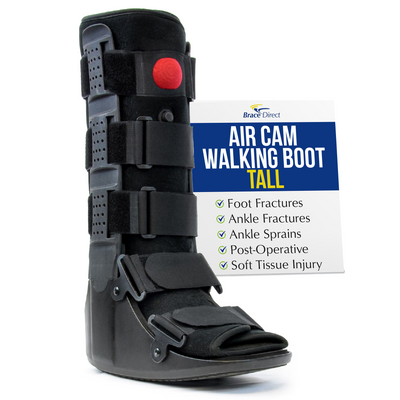
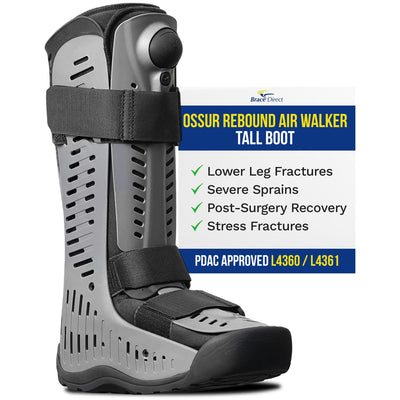
A boot after ankle surgery should be tall, adjustable and easy to take on and off. Air cells help the boot fit as swelling changes. A rocker sole makes each step smoother once you are allowed weight.
Keep the boot on whenever your surgeon says to, including at night if asked. Loosen straps slightly if your toes tingle or change color.
The Brostrom procedure tightens or repairs the ligaments on the outside of the ankle. It is a common surgery for chronic ankle instability. Recovery usually starts in a splint or boot, then moves to a brace that limits rolling.
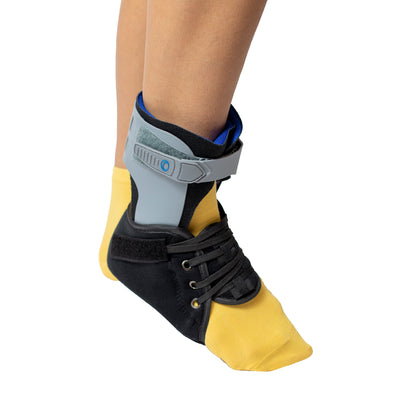
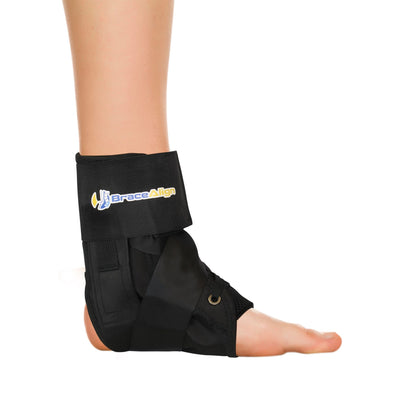
Do you need an ankle brace after Brostrom surgery? Most surgeons use one for a period after the boot, and many recommend it for sports for longer. The brace protects the new repair while your balance and strength return.
ORIF stands for open reduction and internal fixation. The surgeon lines up the broken bones and holds them with plates and screws. AAOS OrthoInfo notes that surgical fixation is needed when a fracture is large and out of place.
After ORIF, most people move from a splint to a boot, adding weight only as their surgeon allows. AAOS notes that rehabilitation is the key to recovery, and that if your right ankle is affected, you can probably resume driving at 9 to 12 weeks.
Ankle replacement and ankle fusion both treat severe arthritis. A replacement keeps some motion, while a fusion joins the bones so the joint no longer moves. Both usually start with a cast or splint, followed by a removable boot.
After the boot, some people use an ankle brace for support on uneven ground. Others go straight to supportive shoes. Cleveland Clinic notes that you'll need to keep your leg elevated most of the time early on, and that physical therapy guides your rehab.

Does an ice machine help after ankle surgery? Many surgeons recommend cold therapy to help with swelling and comfort in the first weeks. A circulating cold therapy machine keeps a steady temperature for longer than an ice pack. A reusable gel pack is a simpler, lower-cost option.
Always follow your surgeon's instructions on how long and how often to use cold. Keep a barrier between the cold pad and your skin, and keep incisions dry.


Showering: keep the incision dry until your surgeon says it is safe. A cast or boot cover and a shower chair make bathing easier. A removable boot lets you wash once you are cleared.
Sleeping: can you sleep without your boot after ankle surgery? Some surgeons want it on at night early in recovery. Ask yours, and keep the leg raised on pillows either way.
Driving: you can't drive in a boot on your right foot. For a right ankle fracture, AAOS notes that most people can probably resume driving at 9 to 12 weeks.
What shoe do you wear after foot surgery? For bunion, toe and other forefoot procedures, most surgeons use a post-op shoe. Cleveland Clinic notes that after bunion surgery you'll probably wear a protective shoe or boot, and that it takes about six to 12 weeks for your bones to heal.
A post-op shoe has a stiff, flat sole and an open, adjustable top that fits over bandages. Midfoot and more complex surgeries may need a short walking boot instead. When can you wear regular shoes after foot surgery? Your surgeon will tell you, usually once swelling and healing allow.

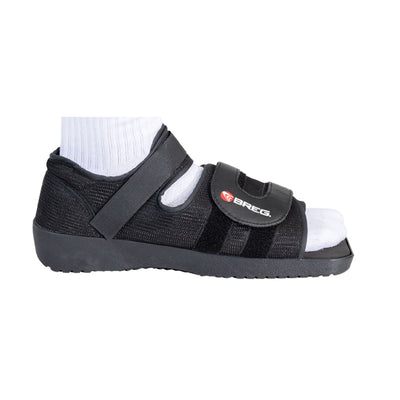

After hammer toe surgery, most people wear a post-op shoe. The stiff sole keeps the toes from bending as you walk, and the open front leaves room for pins or dressings. Square toe styles add extra room and protect the toes from bumps.
Can you walk after hammer toe surgery? Many people can walk in a post-op shoe soon after, as their surgeon allows. How long you wear the shoe depends on the procedure, so follow your surgeon's plan for switching back to normal shoes.

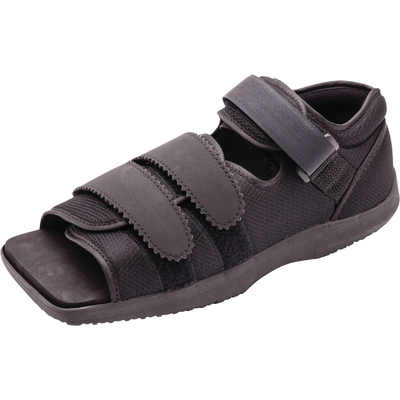
Morton's neuroma surgery removes or frees a thickened nerve between the toes, usually between the third and fourth. Afterward, a post-op shoe protects the ball of the foot and limits bending while the incision heals.
Can you walk after Morton's neuroma surgery? Most people can walk in a post-op shoe as their surgeon allows. When you go back to normal shoes, choose a wide toe box and low heel to keep pressure off the area.
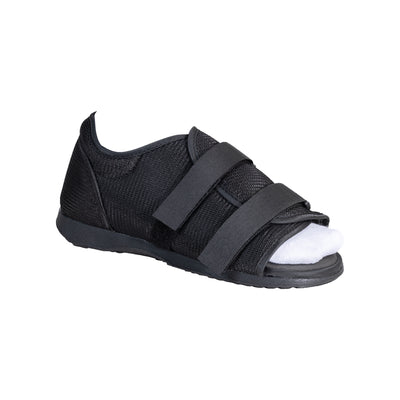

Keep the foot above your heart when resting, especially early on.
Look for pressure marks at the heel, ankle bones and straps every day.
Wear a fresh sock and keep the liner dry.
Add weight and activity only as your surgeon and therapist allow.
Most boots, braces and post-op shoes used after foot and ankle surgery have an HCPCS code, the billing code Medicare and insurers use for medical equipment. We don't bill insurance, but you can submit your receipt to your insurer for possible reimbursement. Most of our braces are also HSA and FSA eligible.

US-based team, Monday to Friday
Not sure what to wear after your surgery? Tell us which procedure you had, which foot it was and what your surgeon recommended. Our specialists can help you choose a size and style before you buy, and after your brace arrives you can use our fitting videos or book a virtual fitting session.
Unused items in their original packaging can be returned or exchanged within 30 days of purchase. See our Return Policy for details.
Contact Our TeamMost people start in a splint or cast, then move to a tall walking boot and later an ankle brace. Your surgeon decides when each step happens.
Suggested: Brace Direct Air Cam Fracture Boot Tall
It depends on the surgery. Many people wear a boot for several weeks, and after ankle replacement you typically can't put weight on the ankle for four to six weeks. Follow your surgeon's plan.
When your surgeon says the repair is strong enough, often at a follow-up visit. Many people step down gradually, using the brace for more of the day over time.
Suggested: Brace Direct Recovery Ankle Brace
Most people use one after the boot, and many keep wearing it for sports. It protects the repaired ligaments while balance and strength return.
Suggested: Brace Align Ankle Brace
Ask your surgeon. Some want the boot on at night early in recovery to protect the repair. Keep the leg raised on pillows either way.
Many surgeons recommend cold therapy to help with swelling and comfort. A cold therapy machine gives steady cold for longer than an ice pack. Always follow your surgeon's instructions.
Suggested: Brace Direct IcedHeat Hot and Cold Water Circulating Therapy Machine
Most forefoot surgeries use a post-op shoe with a stiff sole and an open, adjustable top. Some midfoot surgeries need a short walking boot instead.
Suggested: Brace Direct Post Op Shoe
It depends on the procedure. Cleveland Clinic notes that bones take about six to 12 weeks to heal after bunion surgery. Your surgeon will tell you when to switch to regular shoes.