
U.S-Based Expert Support
M–F 9a–5p EST
M–F 9a–5p EST
The best hip brace is the one made for your condition. An unloader brace eases arthritis pain, a post-op brace protects a surgical repair, and an SI belt steadies the pelvis.

Hip pain is common, and arthritis is a big reason why. About 33 million US adults have osteoarthritis, and the hips are among the joints it affects most, according to the CDC. The best hip support brace for you depends on whether you need comfort, protection or stability.
Some people need an orthopedic hip brace after surgery, while others want a hip stabilizer brace for daily walking. If pain spreads from the low back, a hip brace for sciatica, usually an SI belt, may help. This guide covers each type, the conditions they help and how to choose.
Hip pain by the numbers
Hip braces fall into five main groups. The hip sits deep inside the body, so hip braces work differently than knee or ankle braces. Most wrap the waist and thigh, or the pelvis, rather than the joint itself.
Many adult hip braces fit either side, while some post-op braces are set up for the left or right hip. Harnesses and abduction splints for babies come in children's sizes. Check each product page for the sides and sizes it comes in.
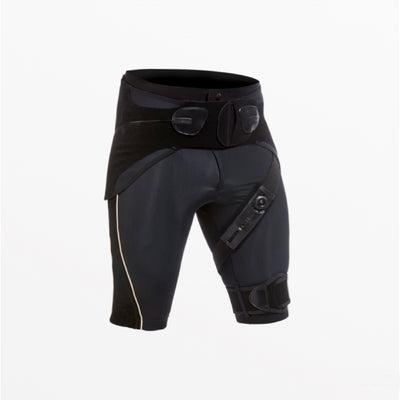
Shift load and guide the leg to ease hip arthritis pain.

Adjustable hinges limit hip motion after surgery.

Hold the legs apart for hip dysplasia and some surgeries.

A snug belt around the pelvis that steadies the SI joints.

Ice wraps and machines calm pain and swelling.
Hip arthritis wears away the cartilage that cushions the ball and socket of the hip. It often causes groin or thigh pain and stiffness, worse in the morning or after sitting. Osteoarthritis is the most common type, and the CDC notes it is common among adults 45 and older.
An unloader hip brace uses a frame and straps to shift some load and guide the leg as you walk. Many people also use cold therapy after activity and a cane on harder days. A brace eases symptoms; it doesn't reverse arthritis.
Hip bursitis, or trochanteric bursitis, is swelling of a small fluid sac on the outer point of the hip. AAOS OrthoInfo notes the pain is usually worse at night when lying on that hip. It is more common in women and in middle-aged or older adults.
No brace targets the bursa directly. Most people get relief from rest, ice, stretching and strengthening. A cold therapy wrap makes icing easier after activity or at the end of the day.
The labrum is a ring of cartilage around the rim of the hip socket. A tear can cause groin pain and a locking, clicking or catching feeling in the hip. Tears can come from the shape of the hip bones, an injury or repeated twisting in sports.
Many labral tears are treated first with rest, activity changes and physical therapy. After hip arthroscopy to repair the labrum, some surgeons use a post-op hip brace to limit risky motions. Your surgeon decides whether you need one and for how long.
After hip replacement, arthroscopy or some fracture repairs, the hip needs protection while tissues heal. A post-op hip abduction brace wraps the waist and thigh with a hinge at the hip. It limits how far you can bend the hip and keeps the leg from crossing the body.
Not everyone needs a brace after hip surgery, so follow your surgeon's plan. If you do wear one, your care team sets the hinge limits. Cold therapy and a walker or cane are common parts of recovery too.
A hip fracture is a break in the top of the thigh bone, near the hip joint. Each year, nearly 319,000 older people are hospitalized for hip fractures, according to the CDC, and most are caused by falls. Weak bones from osteoporosis raise the risk.
Most hip fractures need surgery, and getting moving again soon after is a key part of recovery. Some surgeons add a hip brace afterward to limit risky motions while the hip heals. Preventing the next fall matters just as much as any brace.
In babies with developmental dysplasia of the hip (DDH), the hip joint doesn't form normally, so the ball can sit loosely in the socket. About 1 to 2 babies per 1,000 in the US are born with DDH, according to AAOS OrthoInfo. Doctors check for it at newborn and well-baby visits.
Newborns are often treated with a Pavlik harness, which holds the hips bent and apart so the socket can form around the ball. AAOS notes it is usually worn full-time for at least 6 weeks, then part-time for another 6 weeks. If a harness doesn't hold the hip in place, a firmer brace may be next.
Pain in the buttock, hip or back of the thigh often starts in the low back or the sacroiliac (SI) joints. The SI joints link the base of the spine to the pelvis. When they move too much or get irritated, the pain can feel like it's coming from the hip.
An SI belt wraps snugly around the pelvis, just below the waist, to steady these joints. Many people wear one for walking, standing or lifting. Sciatica with leg weakness or numbness needs a doctor's visit.
Wondering which hip brace you need for your condition? Use these three steps, or shop hip braces by condition.
Start with where it hurts. Groin pain, outer hip pain and pain from the low back point to very different braces.
2Unloader braces and cold therapy suit arthritis. Post-op braces protect a surgical repair, and SI belts steady the pelvis.
3Use the size chart on the product page. Hip braces and belts are sized differently by style and brand.
Every hip brace has its own size chart on its product page, so check it before you order. Post-op braces, unloader braces and SI belts each use their own sizing, and charts vary by manufacturer. Some come in plus sizes or children's sizes. If you're between sizes, our team can help you choose.

Many hip braces and SI belts have an HCPCS code, the billing code Medicare and insurers use for medical equipment. We don't bill insurance, but you can submit your receipt to your insurer for possible reimbursement. Most of our braces are also HSA and FSA eligible.

US-based team, Monday to Friday
Not sure which hip brace fits you? Tell us where it hurts, whether you've had surgery and what your doctor recommended. Our specialists can help you choose a size and style before you buy, and after your brace arrives you can use our fitting videos or book a virtual fitting session.
Unused items in their original packaging can be returned or exchanged within 30 days of purchase. See our Return Policy for details.
Contact Our TeamThey can, when the brace matches the problem. An SI belt can steady the pelvis, a post-op brace protects a repair, and an unloader brace can ease arthritis pain while you walk. A brace supports you; it doesn't treat the cause.
Suggested: Brace Align GlideFit SI Belt
It depends on your condition. Arthritis often calls for an unloader brace, surgery for a post-op abduction brace, and pelvic or SI joint pain for an SI belt.
Suggested: Breg Post Op T Scope Hip Brace or Brace Align GlideFit SI Belt
The best one matches the cause of your pain. For arthritis, try an unloader brace and cold therapy. For outer hip pain from bursitis, a cold therapy wrap is often the most helpful tool.
Suggested: Ossur Unloader Hip Brace or Brace Direct Cryotherapy Air Pump Hip Wrap
Most hip braces and SI belts are made for walking and standing. Take them off to sleep unless your surgeon asks you to wear a post-op brace at night.
Most people wear a hip brace or SI belt over a thin layer of clothing to protect the skin. Low-profile belts can also fit under loose clothes. Follow the product instructions for your brace.
You can buy most of our hip braces without a prescription. We don't bill insurance, but you can submit your receipt to your insurer for possible reimbursement. Your insurer may ask for a prescription.
Most hip braces are unisex and fit men and women alike. Some SI belts are also made for pregnancy and after childbirth, when the pelvis needs extra support.
Suggested: Brace Direct GlideFit Maternity Belt: SI Joint and Pelvic Support or Brace Align GlideFit SI Belt
An SI belt can help when pain comes from the SI joints or pelvis. It steadies the joints during walking and lifting. See a doctor about leg numbness or weakness.
Suggested: Brace Align GlideFit SI Belt
Snug, but not tight. You should be able to slide a flat hand under the straps. Numbness, tingling or trouble breathing deeply means it's too tight.
Not always. Most hip fractures are repaired with surgery, and some surgeons add a post-op hip brace to limit risky motions while you heal. Your surgeon decides.