
U.S-Based Expert Support
M–F 9a–5p EST
M–F 9a–5p EST
The best elbow brace is the one built for your condition. A counterforce strap suits tennis elbow, a sleeve suits mild aches, and a hinged brace protects the elbow after surgery.

Elbow pain often starts with overuse. Tennis elbow alone affects 1% to 3% of people in the US each year, according to StatPearls. For tendonitis like this, the best elbow brace for tendonitis is usually a simple strap worn during activity.
Other problems call for a sturdier elbow support brace, such as a hinged brace after a fracture or surgery. This guide covers the types of elbow braces, the conditions they help and how to choose. Each section links to a full guide when you want more detail.
Elbow pain by the numbers
Elbow braces fall into five main groups. Some ease strain on sore tendons, some add gentle compression, and some control how the joint moves after an injury. Matching the group to your problem is the fastest way to narrow your choice.
Many straps and sleeves fit either arm, while some hinged braces are made for the left or right side. A few hinged braces also come in children's sizes. Check each product page for the sides and sizes it comes in.

A band below the elbow that eases strain on sore tendons.
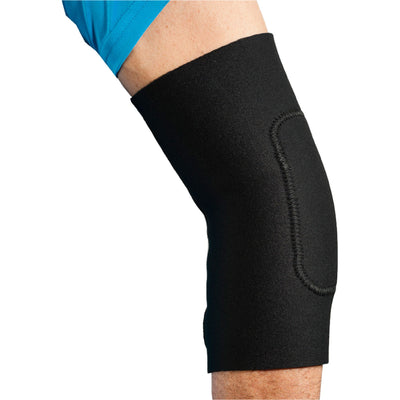
Gentle, even compression for mild aches and light support.

Adjustable hinges limit bending after surgery or a fracture.
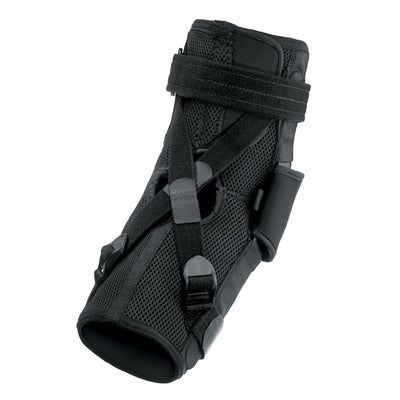
Hinged support that blocks hyperextension during sports.

A gentle, steady stretch for an elbow that won't straighten.
Tennis elbow, or lateral epicondylitis, causes pain on the outside of the elbow. It comes from overuse of the forearm muscles that lift the wrist, not just from tennis. In fact, tennis players make up only 10% of cases, according to StatPearls.
A counterforce strap sits just below the elbow and spreads out the pull on the sore tendon. Most people wear it for gripping, lifting or sports, then take it off to rest. Rest and smarter work habits matter as much as the strap.
Golfer's elbow, or medial epicondylitis, causes pain on the inner side of the elbow. Mayo Clinic notes it often gets worse with gripping or lifting, especially when you use your wrist. Despite the name, plenty of people who never golf get it.
Most tennis elbow straps also work for golfer's elbow. You simply turn the strap so its pad presses on the inner forearm, just below the sore spot. Numbness or tingling in your ring and little fingers is worth a doctor's visit.
Elbow arthritis wears down the smooth cartilage inside the joint, so the elbow grows stiff and sore. Osteoarthritis of the elbow usually shows up in people age 50 and older, according to AAOS OrthoInfo. Rheumatoid arthritis and old injuries can also damage the joint.
A brace can't rebuild cartilage, but it can make daily tasks more comfortable. Many people like a soft sleeve for warmth and support, plus cold therapy after a long day. An elbow that locks, or swells for no clear reason, needs a doctor's visit.
Elbow compression sleeves work best for mild aches, light strains and sore tendons. The snug fabric gives gentle, even pressure and keeps the joint warm. A sleeve can also remind you to go easy on a sore arm.
A sleeve won't hold a broken or unstable elbow in place, so it can't replace a hinged brace. Some sleeves add a strap for tennis elbow or padding over the tip of the elbow. Choose a sleeve that feels snug, never tight or numbing.
After elbow surgery, your surgeon wants the joint to move, but only within a safe range. A hinged range of motion (ROM) brace does that job. Its dials let your care team set how far the elbow can bend and straighten.
Most surgeons widen the range in steps as healing goes on. How long you wear the brace depends on your surgery, so follow your surgeon's timeline. Never unlock or change the hinge settings on your own.
Many elbow fractures and dislocations are treated with a splint, sling or brace for a short time. Radial head fractures are among the most common, making up about 20% of acute elbow injuries, according to AAOS OrthoInfo. Some need surgery, while others heal with early, gentle motion.
A hinged brace can protect the elbow once your doctor wants it moving again. It guards against motions that could strain healing bone or ligaments. Your doctor decides when to start moving the elbow and when the brace comes off.
Elbow hyperextension happens when the arm bends too far backward, often from a fall or a hard hit in sports. It can stretch or sprain the ligaments that hold the joint steady. Pain, swelling and a loose feeling are common signs.
A sports elbow stabilizer has hinges that stop the arm before it straightens too far. That lets you train or play with less worry about the joint bending back. For a mild sprain without looseness, a compression sleeve may be enough.
An elbow contracture means the joint won't fully straighten or bend. It often follows a fracture, a dislocation, surgery or a long time in a cast. Scar tissue around the joint tightens and limits motion.
Contracture splints hold the elbow at a gentle stretch for set periods each day. Over time, that steady stretch can help you regain motion. Your therapist sets the angle and the wearing schedule for you.
Not sure which elbow brace you need for your condition? Follow these three steps, or shop elbow braces by condition.
Start with where it hurts and why. Outer elbow pain, a fresh fracture and a stiff joint each need a different brace.
2Straps and sleeves suit overuse and mild aches. Hinged braces suit surgery, fractures, sprains and an elbow that feels loose.
3Use the size chart on the product page. Sizing differs between straps, sleeves and hinged braces, and between brands.
Every elbow brace has its own size chart on its product page, so check it before you order. Straps, sleeves and hinged braces each size a little differently, and charts vary by manufacturer. Some braces also come in plus sizes or children's sizes. If you're between sizes, our team can help you choose.


Many elbow braces, especially hinged post-op braces, have an HCPCS code, the billing code Medicare and insurers use for medical equipment. We don't bill insurance, but you can submit your receipt to your insurer for possible reimbursement. Most of our braces are also HSA and FSA eligible.

US-based team, Monday to Friday
Not sure which elbow brace fits your problem? Tell us where it hurts, what you do each day and what your doctor said. Our specialists can help you choose a size and style before you buy, and after your brace arrives you can use our fitting videos or book a virtual fitting session.
Unused items in their original packaging can be returned or exchanged within 30 days of purchase. See our Return Policy for details.
Contact Our TeamIt depends on your condition. Tennis and golfer's elbow usually call for a counterforce strap, and mild aches for a compression sleeve. Surgery or a fracture calls for a hinged ROM brace.
Suggested: Breg Tennis Elbow Strap or Brace Align Stabilizing ROM Hinged Elbow Brace
For most people, a counterforce strap worn during activity. It eases the pull on the sore tendon where it attaches near the elbow. Rest and therapy exercises still do much of the work.
Suggested: Breg Tennis Elbow Strap or Bauerfeind EpiPoint Tennis Elbow Strap
A strap is better for tennis or golfer's elbow, since it targets the sore tendon. A sleeve is better for general aches, mild sprains and arthritis, since it supports the whole joint. Some sleeves include a strap, so you get both.
Suggested: Breg Essential Elbow Sleeve with Compression Strap
Usually not, unless your doctor says so. Straps work best during gripping, lifting and sports. After surgery, follow your surgeon's plan, which may mean wearing a hinged brace most of the day for a while.
After surgery or a fracture, your surgeon may want the brace on at night to protect the joint. For tennis or golfer's elbow, most people take the strap off to sleep. Ask your doctor if you aren't sure.
Snug, but not tight. You should be able to slide a finger under each strap. Numbness, tingling or a change in skin color means it's too tight.
They can make daily tasks more comfortable, but they don't treat the arthritis itself. Many people use a compression sleeve for warmth and support, plus cold therapy after activity.
Suggested: Brace Direct Elbow Ice Wrap with Compression
Yes, for many people with mild to moderate symptoms. A sleeve adds warmth and gentle pressure without limiting motion. It won't stop the joint from locking, so see your doctor about that.
Suggested: Breg Padded Elbow Sleeve
You can buy most of our hinged elbow braces without a prescription. We don't bill insurance, but you can submit your receipt to your insurer for possible reimbursement. Your insurer may ask for a prescription.
Most elbow braces are unisex and sized by the chart on each product page. Some sleeves also come in plus sizes for a more comfortable fit.
Suggested: Breg Padded Elbow Sleeve