
U.S-Based Expert Support
M–F 9a–5p EST
M–F 9a–5p EST
The best tennis elbow brace for most people is a counterforce strap worn just below the elbow during activity. This lateral epicondylitis brace eases strain on the sore tendon for real tennis elbow relief.

A strap spreads out the pull on the sore tendon when you grip, lift or swing.
Keep working, gardening and playing while your elbow recovers.
Wearing a strap during activity lowers strain on the sore spot while it heals.
Tennis elbow, also called lateral epicondylitis, is a painful overuse condition on the outside of the elbow. According to AAOS OrthoInfo, it often involves damage to a forearm muscle that helps hold the wrist steady. Most people who get it are between 30 and 50.
Despite the name, most people with tennis elbow don't play tennis. Painters, carpenters, cooks, office workers and gardeners get it too. Any job or hobby with repeated gripping and wrist motion can strain the tendon.

A tennis elbow brace, usually a counterforce strap, wraps around the upper forearm just below the elbow. StatPearls explains that these straps reduce tension at the sore spot and should be worn during activity. Research on straps is mixed, so think of one as a helper alongside rest and exercise.
Pressure from the strap shifts some muscle pull away from the sore tendon.
Wearing it while you grip, lift or swing lowers strain when the tendon works hardest.
You can keep up daily tasks while rest and therapy help the tendon recover.
When to see a doctor: Get checked if pain follows a fall, or if your elbow is swollen or hard to move. See a doctor, too, if pain lasts despite rest. A brace supports you; it doesn't treat the cause.
Tennis elbow braces come in four main styles. Each one balances targeted pressure, comfort and how long you can wear it.
A firm band with a pad that sits below the elbow. The classic choice for tennis and golfer's elbow.
A strap with a gel pack that adds cooling. Handy after work, sports or yard tasks.
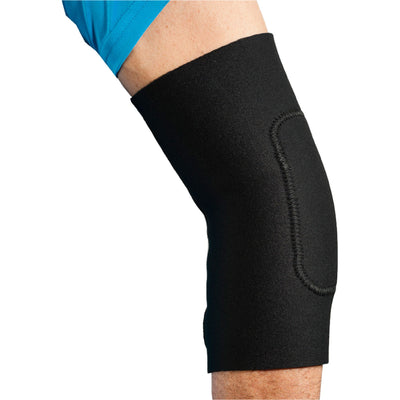
A stretchy sleeve that covers the whole joint. Light support and warmth for longer wear.
A sleeve with a built-in counterforce strap. Targeted pressure plus all-around support.
Where you place the strap matters more than how tight it is. AAOS OrthoInfo notes that a brace centered over the back of your forearm may help relieve tennis elbow symptoms. Here's how to put one on:
Wear it for the tasks that hurt, like lifting, yard work, tools or sports. Take it off to rest unless your doctor tells you otherwise.


Golfer's elbow, or medial epicondylitis, causes pain on the inner side of the elbow. Mayo Clinic says it often gets worse with gripping or lifting and can cause numbness or tingling in the ring and little fingers. You're more likely to get it if you're 40 or older or repeat the same arm motions for two or more hours a day.
The best brace for golfer's elbow is usually the same counterforce strap used for tennis elbow. Turn it so the pad presses on the inner forearm, just below the sore spot. Golfers, lifters and people who use hand tools often wear one during activity.


A strap targets the sore tendon, so it's usually the first choice for tennis elbow. A sleeve covers the whole joint with gentle compression and warmth. It suits people with general soreness, or anyone who wants support for longer stretches.
If you can't decide, a sleeve with a built-in strap gives you both. Many people keep a strap for hard tasks and a sleeve for the rest of the day.


Put it on before gripping, lifting or sports, then take it off to rest.
Snug, not tight. Loosen it if your hand tingles, swells or changes color.
Stretching and strengthening from your therapist help the tendon recover.
Healing is slow. StatPearls notes most people improve within 3 to 18 months with rest.
Most tennis elbow straps don't carry an HCPCS code, the billing code Medicare and insurers use, though some compression straps billed under A4467 do. We don't bill insurance, but you can submit your receipt to your insurer for possible reimbursement. Most of our braces are also HSA and FSA eligible.

US-based team, Monday to Friday
Not sure which tennis elbow brace fits you? Tell us where it hurts, what you do with your hands each day and what your doctor said. Our specialists can help you choose a size and style before you buy, and after your brace arrives you can use our fitting videos or book a virtual fitting session.
Unused items in their original packaging can be returned or exchanged within 30 days of purchase. See our Return Policy for details.
Contact Our TeamIt can. A counterforce strap eases tension on the sore tendon during activity, and many people feel less pain when they grip or lift. Research is mixed, so it works best alongside rest and therapy exercises.
Suggested: Breg Tennis Elbow Strap
On your forearm, a little below the sore bony bump on the outside of your elbow. It shouldn't sit over the joint itself. Turn it so the pad rests on the top of the forearm muscles.
Suggested: Breg Tennis Elbow Strap or Breg Volley Tennis Elbow Strap
Mostly during activity, when the tendon works hardest. Take it off to rest and let your skin breathe. Follow your doctor's advice if they suggest a different plan.
Most people don't need a strap at night, since the tendon is resting. Sleeping in a tight strap can also bother your skin. Ask your doctor if night pain keeps you up.
Yes. Most counterforce straps work for both. For golfer's elbow, turn the strap so the pad presses on the inner forearm, just below the sore spot.
Suggested: Bauerfeind EpiPoint Tennis Elbow Strap or Breg Tennis Elbow Strap
Snug, but not tight. You should be able to slide a finger under it with your arm relaxed. Numbness, tingling or a cold hand means it's too tight.