
U.S-Based Expert Support
M–F 9a–5p EST
M–F 9a–5p EST
How long to wear a boot for a broken ankle depends on the break, but most stable fractures need a boot or cast for at least 6 weeks. Full broken ankle recovery often takes 10 to 12 weeks, and many people then move to an ankle brace for extra support.

A walking boot holds the ankle steady so the break isn't stressed with each step.
A removable boot lets you walk, bathe and do rehab when your doctor allows.
An ankle brace adds support as you leave the boot and rebuild strength.
A broken ankle, or ankle fracture, is a break in one or more of the bones that form the ankle joint. Those bones are the tibia (shinbone), the fibula (the smaller bone of the lower leg) and the talus. AAOS OrthoInfo notes that ankle fractures are the fourth most common type of fracture in adults.
Some breaks are small and stay in place. Others break both sides of the ankle or shift out of line, which makes the joint unstable. A stable ankle fracture can often heal in a cast or walking boot, while an unstable one usually needs surgery.
Ligaments around the ankle are often hurt at the same time. That is one reason broken ankle recovery can take longer than the bone alone would suggest.

Most ankle fractures happen when the ankle twists or rolls with force. These are the most common ways it happens.
Rolling the ankle on a curb, stair or uneven ground can break the outer ankle bone.
Landing hard from a step, ladder or slip on ice puts sudden force through the joint.
Quick cuts, jumps and collisions in sports, plus car accidents, can cause breaks.
Get an X-ray if you can't take a few steps, if the ankle bones are tender, or if the ankle looks out of place. A sprain and a fracture can feel alike. A boot supports healing; it doesn't replace a diagnosis.
A walking boot helps most people with a broken ankle at some point in recovery. These are the groups we help most often.
A boot often replaces a cast when the bone hasn't shifted.
A boot protects the repair once the first splint comes off.
Many fibula breaks near the ankle are managed in a tall boot.
A stable, removable boot can make bathing and skin checks easier.
A boot keeps the ankle protected while rehab starts.
A boot is often the next step before a brace.
A walking boot protects the fracture while you start to move again. It holds the ankle near a neutral angle and lets you take steps without bending the joint.
Rigid struts limit twisting and side-to-side motion at the break.
The footplate and rocker sole spread pressure as you add weight.
Straps and air cells keep the fit snug as swelling goes down.
Support for a broken ankle changes as you heal. Most people use two or three of these in order.
Used right after the injury or surgery to hold the ankle still.
The most common boot for ankle fractures. Reaches just below the knee.
Sometimes used for small, stable breaks low on the ankle.
Side shells support the ankle after you leave the boot.
Air cells on both sides of the ankle give steady, adjustable support.
Every fracture is different, but most broken ankle recovery follows the same pattern. AAOS OrthoInfo says most ankle fractures take at least 6 weeks for early healing and 10 to 12 weeks for complete healing. Ligament and tendon damage can take longer.
AAOS notes that rehabilitation is the key to recovery, no matter which treatment you have. Rehab matters long term too. In a study of 639 arthritic ankles in the Iowa Orthopaedic Journal, 70% were post-traumatic, most often after past ankle fractures.

A walking boot for a broken ankle should be tall, firm and easy to adjust. AAOS notes that a nondisplaced medial malleolus fracture can be treated with a short leg cast or walking boot. Your doctor decides whether your break is stable enough for a boot.
Air boots are popular because you can adjust the fit as swelling goes down. A boot with a PDAC-listed HCPCS code may also help if you plan to submit a claim to your insurer.
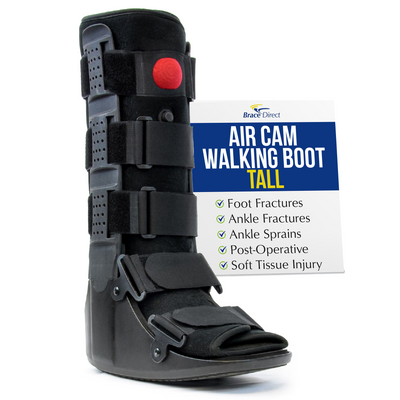

Do you need a tall boot for a broken ankle? Most of the time, yes. A tall boot reaches just below the knee, so its longer struts hold the ankle and lower leg more firmly. That extra leverage matters for a joint that bears your full body weight.
A short boot is lighter and sometimes used for small, stable breaks or late in recovery. Follow your doctor's order, since the wrong height can leave the fracture under-supported.
The fibula is the thin bone on the outside of the lower leg. A break near its lower end is one of the most common ankle fractures. When the bone stays in line and the ankle is stable, doctors often treat it in a tall walking boot.
What brace do you wear for a fibula fracture? Usually a tall walking boot first, then a lace-up or semi-rigid ankle brace once your doctor clears you. A break higher up the fibula, away from the ankle, may need different care, so follow your doctor's plan.

You can switch from a boot to an ankle brace when your doctor says the bone has healed enough. That decision often comes after a follow-up X-ray. Moving out of the boot too early can stress the break.
The switch is usually gradual. Many people wear the boot outdoors and the brace at home for a short time. Then they wear the brace for walking, work and rehab, and later only for sports or uneven ground.
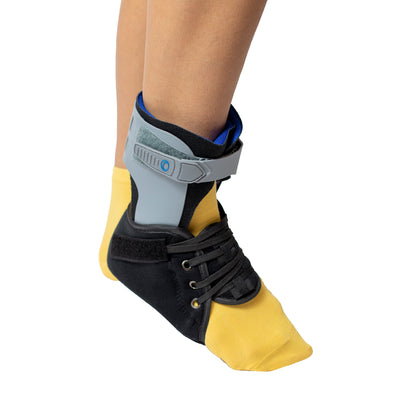
An ankle brace for broken ankle recovery should limit rolling while letting the ankle bend forward and back. Semi-rigid braces with side shells and air stirrup braces both do this well. They also fit inside a supportive athletic shoe.
Lace-up braces are another option once you are steady. Choose firmer support early and lighter support as strength and balance return.

Can you walk on a broken ankle in a boot? Only if your doctor allows weight on it. AAOS stresses that it is very important to follow your doctor's instructions about weightbearing. Putting weight on the ankle too early can cause the fracture to shift.
Driving takes longer. AAOS notes that if your right ankle is affected, you can probably resume driving at 9 to 12 weeks. Never drive in a walking boot on your right foot.
Can you sleep without your boot with a broken ankle? Some people can, and some need it on at night, especially early on. Ask your doctor. If you sleep without it, keep the ankle propped up on pillows.

Raise the ankle above your heart when resting, especially in the first weeks.
Re-tighten straps as swelling goes down so the boot stays snug.
Wear a thicker-soled shoe on the other foot to protect your hips and back.
Wear a clean sock and check for red marks every day.
Most walking boots and ankle braces used after a broken ankle have an HCPCS code, the billing code Medicare and insurers use for medical equipment. We don't bill insurance, but you can submit your receipt to your insurer for possible reimbursement. Most of our braces are also HSA and FSA eligible.

US-based team, Monday to Friday
Not sure which boot or brace fits your stage of recovery? Tell us what your doctor said about your fracture and where you are in your timeline. Our specialists can help you choose a size and style before you buy, and after your brace arrives you can use our fitting videos or book a virtual fitting session.
Unused items in their original packaging can be returned or exchanged within 30 days of purchase. See our Return Policy for details.
Contact Our TeamOnly if your doctor says you can put weight on it. Many people start with crutches and little or no weight, then add weight in steps. Following the plan helps the bone stay in place.
Most stable ankle fractures need a boot or cast for at least 6 weeks. AAOS notes complete healing often takes 10 to 12 weeks. Your doctor decides when you can stop.
When your doctor says the bone has healed enough, often after a follow-up X-ray. Many people step down gradually, using the brace for more of the day over a week or two.
Suggested: Brace Direct Recovery Ankle Brace
Usually, yes. A tall boot gives more support to the ankle and lower leg. Some small, stable breaks may use a short boot if your doctor approves.
It depends on your fracture and your doctor's plan. Some people must wear it at night early on. If you are allowed to take it off, keep the ankle raised on pillows.
Neither is better for everyone. A cast holds the ankle completely still, while a boot is removable for bathing, skin checks and rehab. Your doctor chooses based on how stable the fracture is.
Most people start in a tall walking boot, then move to a semi-rigid or lace-up ankle brace once their doctor clears them. The brace adds support for walking and sports.
Suggested: Bauerfeind AirLoc Inflatable Air Stirrup Ankle Brace