
U.S-Based Expert Support
M–F 9a–5p EST
M–F 9a–5p EST
The best ankle brace for arthritis is usually a semi-rigid or rigid ankle brace that limits painful side-to-side motion, while a compression sleeve suits mild aches. An ankle brace for osteoarthritis or bone on bone arthritis can make walking more comfortable, though it doesn't stop the joint from wearing.

A brace limits the side-to-side motion that makes an arthritic ankle ache.
Support and warmth can make daily walks and errands more comfortable.
Side support helps on curbs, grass and gravel where stiff ankles struggle.
Ankle arthritis is wear or inflammation of the ankle joint that causes pain, stiffness and swelling. AAOS OrthoInfo explains that in osteoarthritis, the cartilage in the joint gradually wears away. As the smooth surface thins, the bones can start to rub, which people often call bone on bone.
There are three main types. Osteoarthritis comes from wear over time. Rheumatoid arthritis is an autoimmune disease that usually affects the same joint on both sides of the body. Post-traumatic arthritis develops after an old injury, such as a fracture or a bad sprain.
Post-traumatic arthritis is the most common type at the ankle. In a study of 639 arthritic ankles in the Iowa Orthopaedic Journal, 70% were post-traumatic, while only 7% were primary osteoarthritis.

Ankle arthritis has a few main causes. Knowing yours helps you and your doctor plan care.
Past fractures and repeated sprains can damage cartilage and change how the joint moves.
Age, extra body weight and joint stress add up. CDC notes that OA is common among adults 45 and older.
Rheumatoid arthritis and similar conditions inflame the joint lining and wear the cartilage.
See a doctor if ankle pain lasts more than a few weeks, keeps you from walking or comes with redness and warmth. A brace supports the ankle; it doesn't treat the cause.
An ankle brace can help many people living with arthritis. These are the groups we hear from most.
A brace steadies a joint that has felt different since a past break or sprain.
Support eases the ache of daily walking and standing.
Easy-on braces help during flares, especially when hands are sore too.
Long shifts on hard floors are easier with steady support.
A brace can make daily life more comfortable while you weigh options.
Braces with longer straps and wider fits support larger ankles.
Does an ankle brace help arthritis pain? For many people, yes. AAOS OrthoInfo notes that wearing a brace, such as an ankle-foot orthosis (AFO), may help improve mobility.
Side shells or stays reduce the twisting that irritates a worn joint.
A snug brace keeps the ankle more stable on uneven ground.
Many people find gentle compression soothing for stiffness and swelling.
Arthritis braces range from soft sleeves to rigid supports. Choose based on how much pain and wobble you have.
Light support and warmth for mild arthritis and swelling.
Moderate support with laces and straps; fits most shoes.
Side shells limit rolling and twisting for moderate arthritis.
Firm support that limits motion for advanced or bone on bone arthritis.

An ankle brace for osteoarthritis should support the joint without making walking feel clumsy. Semi-rigid braces with side shells are a strong choice for moderate pain. They limit twisting while still letting the ankle bend forward and back.
What brace helps bone on bone ankle arthritis? The firmer the better, in most cases. A rigid ankle brace limits more of the motion that hurts. AAOS notes that a custom-molded leather brace can be effective for ankle and hindfoot arthritis, so ask your doctor if an off-the-shelf brace isn't enough.
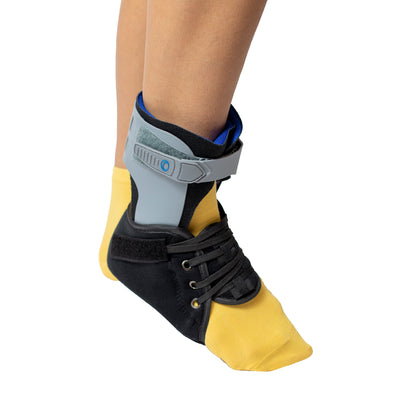
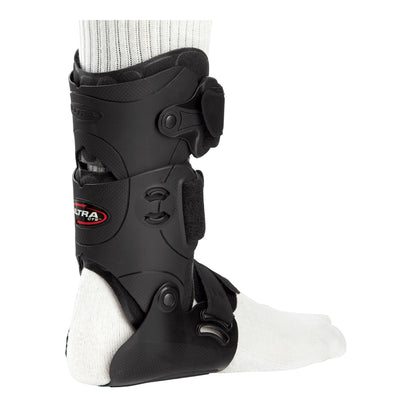
Rheumatoid arthritis often affects both ankles and the small joints of the feet. Swelling can change from day to day, so an adjustable brace works best. Many people with RA also have sore hands, which makes easy closures important.
Look for quick-adjust laces or wide hook-and-loop straps you can close without much grip. A lighter brace may be enough on good days, with firmer support during flares.
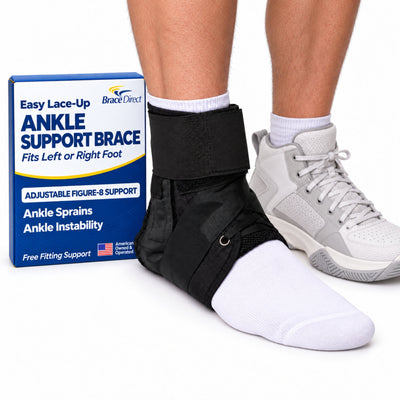
Post-traumatic arthritis can show up years after an injury. The Iowa Orthopaedic Journal study found that post-traumatic ankle arthritis was most commonly linked to past rotational ankle fractures. Repeated sprains can also wear the joint over time.
A semi-rigid brace is often the best fit here. It steadies an ankle that may already feel loose from the old injury and limits the twisting that aggravates the joint.
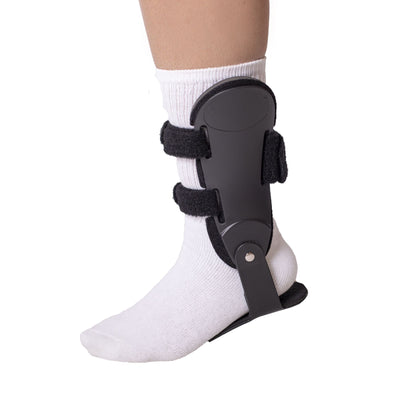
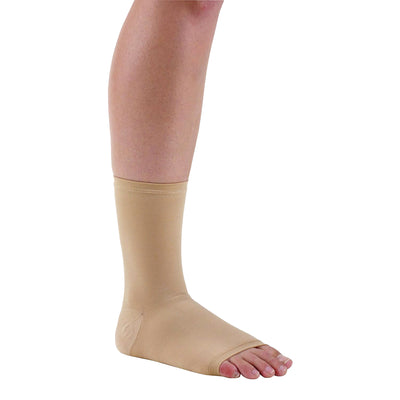
An ankle arthritis compression sleeve gives light support, warmth and gentle squeeze. It suits early arthritis, mild swelling and people who want support without bulk. Sleeves slide on like a sock and fit inside most shoes.
Is a compression sleeve or a brace better for ankle arthritis? A sleeve is better for mild aches and comfort. A brace is better when the ankle feels unstable or pain limits walking.

A brace that is too tight on a larger ankle can pinch, cut off blood flow and slide out of place. Look for lace-up braces with long straps, or braces listed for plus size users. Laces let you adjust the fit along the whole ankle.
Check the size chart on each product page, since sizes differ by brand. If you are between sizes, our team can help you compare options.

The right shoe makes any brace work better. AAOS notes that custom-made shoes with stiff soles can help minimize pressure on the foot and decrease pain. A firm heel counter and a wide base add stability.
Lace-up walking shoes and sneakers usually work best with a brace. If the brace makes the shoe tight, try loosening the laces, removing the shoe's insole or going up a half size.
Many people wear an arthritis brace on most days, especially for walking, work and errands. Others wear it only on long or uneven walks. Take it off at rest and at night unless your doctor says otherwise.
Can an ankle brace delay ankle surgery for arthritis? A brace doesn't stop arthritis from progressing. It can make daily life more comfortable, which helps some people put off surgery while they try other treatments. Your doctor can tell you what makes sense for you.
Surgery is usually considered when pain stays high despite bracing, shoe changes, activity changes and other treatments. The two main options are ankle fusion and ankle replacement.
AAOS explains that fusion joins the bones of the joint so they become one continuous bone, which stops the painful motion. Ankle replacement relieves arthritis pain and offers more mobility and movement than fusion. Your surgeon will weigh your age, activity level, bone quality and the shape of your ankle.
After either surgery, most people spend weeks in a cast and then a walking boot. Some go on to use an ankle brace for uneven ground once they are cleared.

Wear it first for the outings that hurt most, then add time.
Adjust straps through the day as swelling changes.
Gentle exercise and staying active help arthritis, CDC notes.
A cold pack after a long day can ease achy joints.
Many ankle arthritis braces have an HCPCS code, the billing code Medicare and insurers use for braces and supports. We don't bill insurance, but you can submit your receipt to your insurer for possible reimbursement. Most of our braces are also HSA and FSA eligible.

US-based team, Monday to Friday
Not sure which arthritis brace fits you? Tell us which type of arthritis you have, how far you walk and what shoes you wear. Our specialists can help you choose a size and style before you buy, and after your brace arrives you can use our fitting videos or book a virtual fitting session.
Unused items in their original packaging can be returned or exchanged within 30 days of purchase. See our Return Policy for details.
Contact Our TeamFor most people, a semi-rigid brace that limits side-to-side motion. Mild arthritis may only need a sleeve, and bone on bone arthritis may need a rigid brace.
Suggested: Brace Direct Recovery Ankle Brace
For many people, yes. AAOS notes a brace may help improve mobility. It steadies the joint and limits motion that causes pain.
Many people wear one for most daily activity and take it off at rest. Wear it most for long or uneven walks.
A rigid or firm semi-rigid brace limits the most motion. Some people need a custom brace or AFO, so talk with your doctor if an off-the-shelf brace isn't enough.
Suggested: Breg Ultra CTS Ankle Recovery Brace
A sleeve suits mild aches and swelling. A brace is better when pain limits walking or the ankle feels unstable.
Suggested: Brace Direct Sport Ankle Compression Sleeve
A brace can't stop arthritis from progressing, but it can make daily life more comfortable. That helps some people try other treatments before surgery.
Lace-up shoes with stiff soles, a firm heel and a wide toe box. AAOS notes stiff soles can help reduce pressure and pain.