
U.S-Based Expert Support
M–F 9a–5p EST
M–F 9a–5p EST
The best hip brace for arthritis eases load on the joint while you walk, like an unloader hip brace. A hip brace for osteoarthritis won't reverse joint damage, but it can ease hip arthritis pain on walks and busy days.

A brace can ease load on the sore joint with each step.
Support on walks and errands helps you keep moving, which arthritis needs.
A snug frame and straps give a weak, sore hip a more stable feel.
Hip arthritis means the smooth cartilage covering the ball and socket of the hip wears down. Without that cushion, the bones rub, and the joint becomes painful and stiff. Osteoarthritis, often called wear-and-tear arthritis, is the most common type.
According to AAOS OrthoInfo, hip osteoarthritis occurs most often in people 50 and older. The most common symptom is pain in the groin or thigh that can spread to the buttocks or knee. Pain and stiffness are often worse in the morning or after sitting for a while.
Rheumatoid arthritis and other inflammatory types can affect the hip too. This guide focuses on osteoarthritis, plus two problems often confused with it: hip bursitis and labral tears.

Hip arthritis usually builds slowly over years. The CDC lists older age, repeated joint stress or injury, extra weight and family history among the main risk factors.
Cartilage thins over time, so arthritis becomes more likely as you get older.
Old fractures, dislocations, childhood hip problems and labral tears can raise the risk later.
Extra body weight and repeated heavy loading add stress to the hip joint.
When to see a doctor: Get checked right away for sudden hip pain after a fall or a hip you can't put weight on. Hip pain with a fever needs a doctor, too. A brace supports you; it doesn't treat the cause.
A hip brace or hip support for arthritis helps most when pain limits walking and daily tasks. These are the people we help most often.
An unloader brace can make longer walks and errands more comfortable.
Bracing and therapy can help manage symptoms while you and your doctor plan next steps.
An SI belt adds support when pain spreads between the hip, pelvis and low back.
Cold therapy calms outer hip pain after activity or at night.
A post-op hip brace protects the repair after hip arthroscopy.
Heat therapy before activity can loosen a stiff hip.
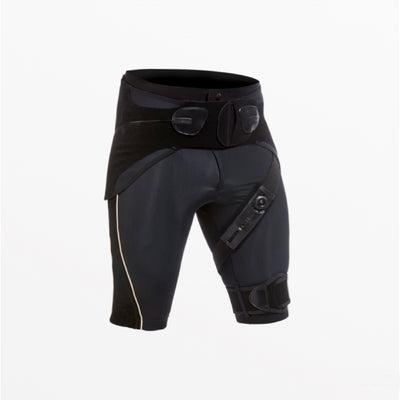
Most hip braces for arthritis wrap the waist and thigh, with straps or a frame that guide how the leg moves. Research is still early, but it's encouraging. A 2022 study in Frontiers in Bioengineering and Biotechnology followed 21 people with mild to moderate hip osteoarthritis. They wore a functional hip brace for 1 week. Their step length, walking speed and function went up, and their pain went down.
Straps and a frame help steer how the thigh moves with each step.
Some designs shift part of the load away from the most painful area.
A snug fit gives the hip a more stable, supported feel as you walk.
The researchers noted that how hip braces work is still partly unclear. That's why a brace works best as one part of a plan that includes exercise and activity changes.
Hip arthritis braces and supports fall into five groups. Each one fits a different need, from walking support to calming a flare at home.
A frame and straps that shift load and guide the leg for hip arthritis.
A cold pack held on the hip with gentle compression for sore spots.
Circulates hot or cold water through a pad for longer sessions.
A snug pelvic belt for hip pain that comes with low back or SI joint pain.
An adjustable hinge that protects the hip after labral repair or other surgery.
A hip brace for osteoarthritis can help, especially for walking. The 2022 study above found better walking speed and lower pain after just 1 week of wear. Still, studies so far are small, and results vary from person to person.
A brace works best alongside the basics. AAOS OrthoInfo recommends lower-impact activities, weight loss when needed and specific exercises for range of motion. It also notes that a cane, crutches or a walker can improve mobility and independence.
An unloader hip brace is a frame worn around the waist and thigh. Straps guide the leg as you walk, so less load lands on the most worn part of the joint. It's the main type of brace made for hip osteoarthritis.
Unloader hip braces cost more than most braces, and they take some getting used to. Many people wear one for walks and busy parts of the day rather than all day. Talk with your doctor about whether your type of arthritis suits an unloader.
The labrum is a ring of cartilage around the rim of the hip socket. According to Mayo Clinic, a tear can cause groin pain and a locking, clicking or catching feeling in the hip. It can come from an injury, extra bone in the hip, or repeated motions in sports like golf, ballet and hockey.
Many labral tears are treated first with rest, activity changes and physical therapy. After arthroscopy to repair the labrum, some surgeons use a post-op hip brace with a hinge to limit bending and turning. Mayo Clinic also notes that a tear can make arthritis in that hip more likely later.


Hip bursitis is swelling of a small fluid sac on the outer point of the hip. It causes pain on the outside of the hip that often gets worse at night when you lie on that side. Unlike arthritis pain, it rarely starts in the groin.
A standard hip brace doesn't target the bursa directly. Most people do best with rest, ice, stretching and strengthening. A cold therapy wrap or hot and cold machine makes regular icing easier at home.


Heat and cold both help hip arthritis, but at different times. Heat loosens a stiff joint, so it works well in the morning or before activity. Cold calms soreness and swelling, so it works well after a long walk or a flare.
A hip wrap with a cold pack stays in place while you rest, so you can ice without holding a bag of ice. Always keep a layer between the pack and your skin, and check your skin often.

Bracing fits best in the early and middle stages of hip arthritis. Along with exercise, weight control and walking aids, it can help you stay active and comfortable. There's no proof that a brace delays hip replacement, so think of it as a way to manage symptoms.
When pain disturbs your sleep, or walking aids no longer help, it may be time to talk about surgery. After hip replacement, most people stop using an arthritis brace. Some use a post-op brace for a short time if their surgeon asks.
Hip arthritis often changes how you walk, which can strain the low back and the sacroiliac (SI) joints. Pain can then spread across the buttock, hip and back of the thigh. It's often hard to tell where it starts, so ask your doctor to check both areas.
An SI belt wraps low around the pelvis to steady the SI joints. It's light and easy to wear under or over clothes. For more on this area, see our SI joint guide and our back brace guide.


Osteoarthritis often affects more than one joint. The CDC notes it most commonly affects the hands, hips, back and knees. If your knees hurt too, our knee arthritis guide explains unloader knee braces and sleeves.
For arthritis in the spine, start with our back brace guide. For an achy elbow, see the arthritis section of our elbow brace guide.

Wear it for short walks at first, then add time as it feels comfortable.
Thin, smooth clothing under the straps helps prevent rubbing.
Look for red marks after each use, and adjust straps that dig in.
The brace helps you stay active; strength and range of motion work still matter.
Many post-op hip braces and SI belts have an HCPCS code, the billing code Medicare and insurers use, while some arthritis supports don't. We don't bill insurance, but you can submit your receipt to your insurer for possible reimbursement. Most of our braces are also HSA and FSA eligible.

US-based team, Monday to Friday
Not sure which hip brace fits your arthritis? Tell us where your hip hurts, how far you walk each day and what your doctor said. Our specialists can help you choose a size and style before you buy, and after your brace arrives you can use our fitting videos or book a virtual fitting session.
Unused items in their original packaging can be returned or exchanged within 30 days of purchase. See our Return Policy for details.
Contact Our TeamThey can. In a 2022 study, people with mild to moderate hip osteoarthritis walked faster and reported less pain after a week of wearing a hip brace. A brace works best alongside exercise and activity changes.
Suggested: Ossur Unloader Hip Brace
For most people, an unloader hip brace for walking, plus heat or cold therapy at home. If your pain spreads into the low back or pelvis, an SI belt may help too.
Suggested: Ossur Unloader Hip Brace or Brace Direct Cryotherapy Air Pump Hip Wrap
It wraps the waist and thigh, and its straps guide the leg as you walk. That shifts some load away from the most worn part of the joint, which can ease pain.
There's no proof that it does. A brace can help you manage pain and stay active while you and your doctor weigh your options.
Yes, for most people. Staying active is one of the best ways to manage arthritis, and lower-impact activities like walking are easier on the hip. A cane or brace can make longer walks more comfortable.
Both help. Heat eases stiffness before activity, and ice calms soreness after activity or during a flare. Many people use heat in the morning and ice at night.
Suggested: Brace Direct IcedHeat Hot and Cold Water Circulating Therapy Machine
SI belts are slim enough to wear under most clothes. Larger hip braces are usually worn over a thin layer, so loose pants or a skirt may fit over them. Check the product page for details.
A brace is mostly used after surgery to repair a labral tear. A hinged post-op hip brace limits bending and turning while the repair heals.
Suggested: Ossur Rebound Hip Brace Post-Op Orthosis