
U.S-Based Expert Support
M–F 9a–5p EST
M–F 9a–5p EST
The best sling for rotator cuff surgery is usually an abduction pillow sling that holds your arm slightly away from your side, matched to what your surgeon orders. Along with a brace after rotator cuff surgery, an ice machine for the shoulder can make the first weeks at home more comfortable.

A sling keeps the arm still so the repaired tendon isn't pulled.
An abduction pillow takes tension off the shoulder day and night.
Cold therapy keeps the shoulder cool through the first weeks home.
In rotator cuff surgery, the surgeon reattaches a torn tendon to the top of the upper arm bone. The repair needs time to grow back into the bone, so the first weeks are about protecting it. That is why nearly everyone goes home in a sling.
According to AAOS OrthoInfo, most people use a sling and avoid using the arm for the first 4 to 6 weeks. Gentle passive exercise often starts in that window, and strengthening usually begins at 8 to 12 weeks. Most patients have a functional range of motion and adequate strength by 4 to 6 months after surgery.
A shoulder surgery sling keeps the arm still and supported so the repair isn't stretched or pulled. Many surgeons prefer an abduction pillow sling, which holds the arm slightly out from the side. That position takes tension off the repaired tendon and is often more comfortable than having the arm pressed against your belly.
Limits the lifting and reaching that could pull on the tendon.
An abduction pillow holds the arm away from the body to unload the tendon.
Padded straps carry the weight of the arm off the neck and shoulder.
Your surgeon will usually tell you which style to get. These are the main options and when each one is used.
A sling with a foam pillow at the waist. The most common brace after rotator cuff surgery.
A sling with a strap around the body to keep the arm close and still.
A simple pouch and neck strap for comfort after minor procedures or later in recovery.
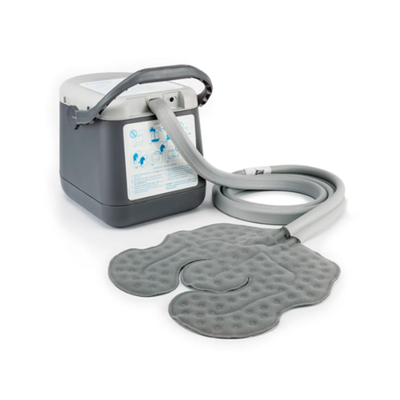
Circulates cold water through a shoulder pad to ease pain and swelling at home.
The best sling for rotator cuff surgery is an abduction pillow sling that matches what your surgeon ordered. Look for a firm pillow that sets the arm at the right angle, a padded neck strap and a waist strap that stops the arm from swinging. Many people also want a design that is easy to take on and off with one hand.
The same slings are often used after shoulder replacement and labrum repair. After a shoulder replacement, AAOS OrthoInfo says you will need the sling to support and protect your shoulder for the first 2 to 6 weeks.
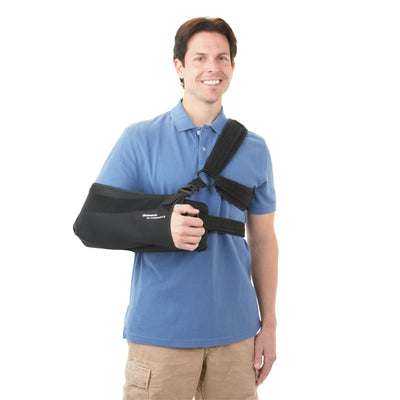
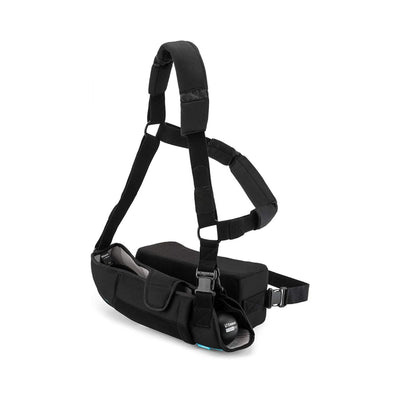
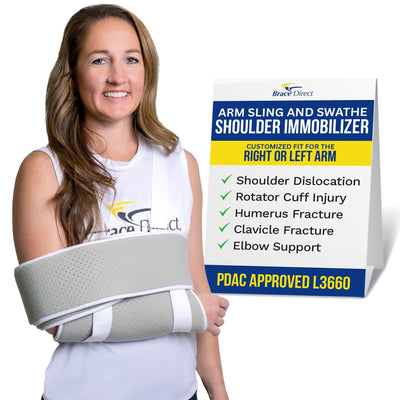
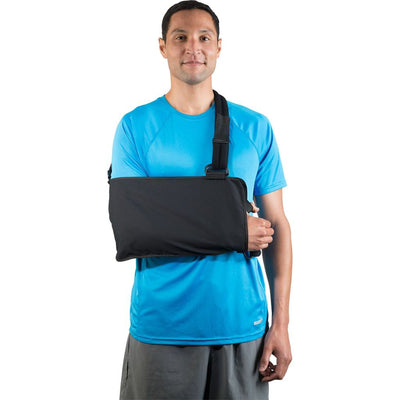
A sling holds the forearm in a pouch with a strap around the neck. A shoulder immobilizer adds a strap or swathe around the body so the arm can't drift away from your side. Immobilizers are used when the shoulder must stay especially still, such as after some surgeries, a dislocation or a fracture.
To wear an arm sling, slide your forearm into the pouch so your elbow sits snug at the back. Bring the strap around the back of your neck and adjust it so your hand rests a little higher than your elbow. Your wrist and hand should be supported, not hanging over the edge.

An ice machine for shoulder after surgery pumps cold water from a cooler through a pad that wraps the shoulder. It keeps the cold steady for longer than an ice pack and saves you from refilling bags. Many surgeons recommend cold therapy in the first weeks to manage pain and swelling.
Always keep a thin layer between the pad and your skin, and follow your surgeon's plan for how long and how often to use it. Check your skin often, especially if a nerve block has left the area numb.

A recliner or a wedge of pillows keeps you from rolling onto the shoulder.
Button-front or loose shirts go on the surgery arm first and come off it last.
Ask your surgeon whether the arm can hang gently at your side while you wash.
Open and close your hand and bend your wrist often to keep blood moving.
Each product page has its own size chart, because sizing differs by sling and manufacturer.
Many post-op shoulder slings and immobilizers have an HCPCS code, the billing code Medicare and insurers use for medical equipment. We don't bill insurance, but you can submit your receipt to your insurer for possible reimbursement. Most of our braces are also HSA and FSA eligible.

US-based team, Monday to Friday
Not sure which sling your surgeon wants? Tell us your surgery date, the procedure and any brace name on your paperwork. Our specialists can help you choose a size and style before you buy, and after your brace arrives you can use our fitting videos or book a virtual fitting session.
Unused items in their original packaging can be returned or exchanged within 30 days of purchase. See our Return Policy for details.
Contact Our TeamMost people use a sling and avoid using the arm for the first 4 to 6 weeks. Your surgeon sets the exact time based on the size of the tear and the type of repair.
For rotator cuff repair, an abduction pillow sling is the most common choice. After smaller procedures, a padded sling or immobilizer may be enough. Match what your surgeon orders.
Suggested: Breg Slingshot 3 Shoulder Brace or Ossur Form Fit Shoulder Brace
Most people sleep best propped up in a recliner or on a wedge of pillows, with a small pillow under the forearm. Keep the sling on at night unless your surgeon says otherwise.
Many surgeons allow it if you keep the arm relaxed at your side and don't lift it. Ask your surgeon first, and put the sling back on right after.
Your elbow should sit snug in the back of the pouch and your hand should rest a little higher than your elbow. The strap should feel supportive without digging into your neck.
Suggested: Brace Align Arm Sling and Swathe
An ice machine keeps the cold steady for longer and covers more of the shoulder, so many people find it easier to use. Ice packs work too, but need frequent changes.
Suggested: Brace Direct FrozenIce Cold Therapy Machine