
U.S-Based Expert Support
M–F 9a–5p EST
M–F 9a–5p EST
The best knee brace for patellofemoral pain syndrome is usually a patella stabilizer knee brace that guides the kneecap and eases pressure at the front of the knee. Patellofemoral pain, also called runner's knee, often goes with a patellar tracking disorder, where the kneecap drifts out of its groove.

A buttress helps keep the kneecap centered as your knee bends and straightens.
Support around the kneecap can make climbing, squatting and kneeling feel more comfortable.
A light stabilizer lets you walk, run and train while you build strength.
Front-of-knee pain can make stairs, squats and long car rides miserable. A patella tracking knee brace won't fix the reason your kneecap drifts, but it can make everyday movement more comfortable while you work on strength.
This guide explains patellar tracking disorder, what causes patellofemoral pain and which brace fits your knee, from light sleeves to firm stabilizers.
Your kneecap, or patella, glides up and down in a groove at the end of your thighbone as you bend and straighten your leg. In a patellar tracking disorder, the kneecap shifts to one side of that groove, usually toward the outside of the knee. That puts extra pressure on the cartilage behind it.
Patellofemoral pain syndrome, or PFPS, is the name doctors use for pain in the front of the knee around the kneecap. AAOS OrthoInfo calls it a broad term for that pain and notes it is sometimes called runner's knee. Poor tracking is one common reason it starts.
Most people with PFPS feel a dull ache rather than a sharp pain. It tends to build with activity and ease with rest. A knee brace for patellar tracking disorder can help by guiding the kneecap and spreading out the pressure.

Patellofemoral pain usually comes from several things working together. AAOS OrthoInfo points to repeated stress from sports, abnormal tracking of the kneecap, and weak thigh or hip muscles as the main drivers.
Running, jumping and squatting put repeated stress on the joint behind the kneecap. A sudden jump in training often sets off symptoms.
If the kneecap rides toward one side of its groove, pressure builds on one area of cartilage instead of spreading evenly.
Weak quadriceps and hip muscles, or a tight band along the outside of the thigh, can pull the kneecap off course.
See a doctor if your knee swells, locks, gives way, or hurts at night or at rest. Those signs can point to an injury that needs a closer look. A brace supports the kneecap; it doesn't treat the cause, so pair it with the exercises your therapist gives you.
A patellofemoral brace helps anyone whose front-of-knee pain flares with movement. These are the people we help most often.
Pain that builds over miles, especially downhill, often responds to a light patella stabilizer.
Jumping, cutting and squatting load the kneecap. A buttress brace adds control during play.
Front-of-knee pain is common during growth and busy sports seasons.
A stabilizer with a firm buttress helps if your kneecap has shifted or dislocated before.
Compression and an open patella design can make daily tasks like stairs feel easier.
Trades and warehouse jobs that need deep bending often benefit from light support.
A patella stabilizer knee brace surrounds the kneecap with a pad or buttress. As your knee bends, the buttress presses gently on the side of the kneecap that tends to drift. That nudge helps keep it in its groove.
A J-shaped or horseshoe buttress steers the kneecap so it tracks more centrally.
Compression and an open patella opening ease the load on the cartilage behind the kneecap.
Snug support helps you sense your knee position, so you move with more control.
Patellofemoral braces range from simple sleeves to braces with hinges and adjustable straps. The right one depends on how much your kneecap moves and what you do each day.
A pull-on sleeve with a hole over the kneecap. Light compression for mild front-of-knee pain.
A sleeve or wrap with a shaped pad that guides the kneecap. The most common choice for tracking problems.
A thin band below the kneecap. Light and low profile for mild pain during sports.
Adds side hinges for knees that also feel unstable or give way.
A frame with straps that pull the kneecap in a set direction for more severe tracking problems.
For most people, the best knee brace for patellofemoral pain syndrome is a patella stabilizer with a buttress around the kneecap. It gives the kneecap a guide without limiting how your knee bends. Choose a light sleeve if you mainly want comfort, or a brace with straps if your kneecap feels like it slides.
Active people often do best with a low-profile brace that stays put during runs and workouts. If you want a premium knit sleeve, a compression stabilizer with a built-in pad is a comfortable everyday option.

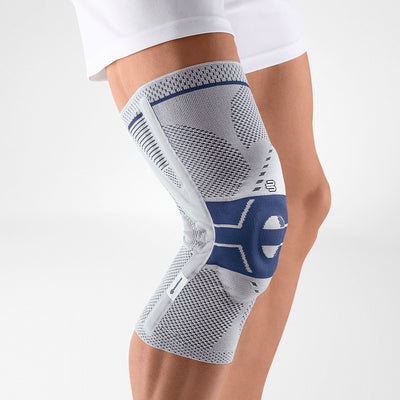
The buttress is the pad that does the guiding. A J-shaped buttress sits on one side of the kneecap and pushes it back toward center. Most people with tracking problems need it on the outside of the kneecap, because the kneecap usually drifts outward.
A horseshoe buttress wraps around the kneecap on three sides. It gives more general support and suits people whose pain is not tied to one direction. Many stabilizers let you move or add pads, so you can change the support as your knee improves.


A subluxed kneecap slips partly out of its groove and then pops back. A full dislocation means it moves all the way out. These injuries often happen with a pivot, twist or awkward fall, and they can stretch the tissue that holds the kneecap in place.
After a first dislocation, doctors usually start with nonsurgical care. AAOS OrthoInfo notes that a stabilizing brace may be prescribed along with thigh strengthening, and that the goal is a return to normal activities within 1 to 3 months.
A knee brace for a subluxed patella should have a firm buttress and straps that hold it in place. If your kneecap has dislocated, get it checked by a doctor before you choose a brace.


Chondromalacia patella means the cartilage on the back of the kneecap has softened or worn. It often goes hand in hand with patellofemoral pain and poor tracking. Stairs, squats and long periods of sitting usually feel worst.
A chondromalacia patella knee brace aims to lower pressure on that cartilage. An open patella sleeve with padding around the kneecap is a good place to start. Many people wear it for walking, stairs and light exercise, then go without it at rest.


Runner's knee is a common name for patellofemoral pain in people who run. The pain usually builds during a run, gets worse on hills and stairs, and lingers afterward. For most runners, the best knee brace for runner's knee is a light patella stabilizer that stays in place without bunching.
It is a very common problem. A review in PLoS ONE reported a high rate of new patellofemoral pain cases among amateur runners. Rest days, a gradual build in mileage and hip and thigh strengthening matter as much as the brace.
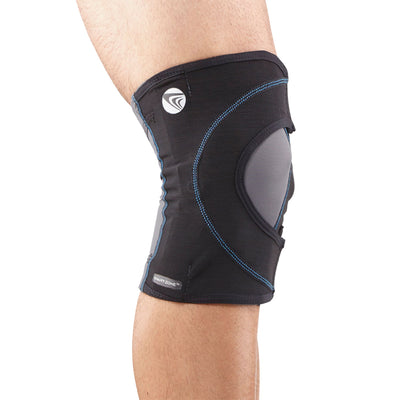
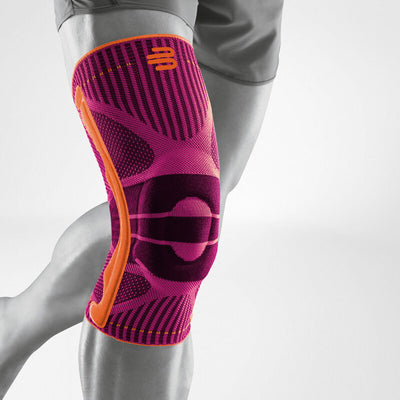
A patella strap is a narrow band that sits just below the kneecap. It is light, easy to wear under clothes and good for mild pain during sports. A patella stabilizer covers more of the knee and uses a buttress to guide the kneecap itself.
If your main problem is pain below the kneecap during activity, a strap may be enough. If your kneecap shifts, or the pain is around and behind it, a stabilizer is usually the better fit. Some people wear a strap for sports and a sleeve for the rest of the day.
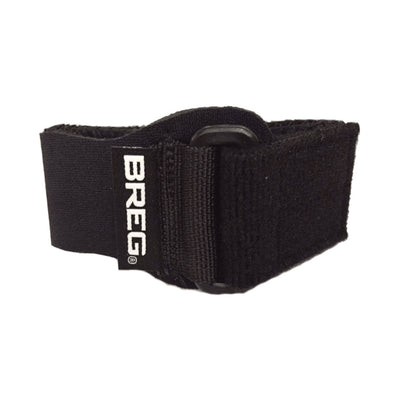

Line up the opening with your kneecap while your knee is slightly bent, then fasten the straps.
You should be able to slide a finger under each strap. Numbness or tingling means it's too tight.
Most people wear it for sports, long walks and stairs, then take it off at rest.
Thigh and hip strengthening help the kneecap track better over time, with or without a brace.
Many patellofemoral knee braces have an HCPCS code, the billing code Medicare and insurers use for medical equipment. We don't bill insurance, but you can submit your receipt to your insurer for possible reimbursement. Most of our braces are also HSA and FSA eligible.

US-based team, Monday to Friday
Not sure which patellofemoral brace fits you? Tell us where it hurts, whether your kneecap slips and what activities bring on the pain. Our specialists can help you choose a size and style before you buy, and after your brace arrives you can use our fitting videos or book a virtual fitting session.
Unused items in their original packaging can be returned or exchanged within 30 days of purchase. See our Return Policy for details.
Contact Our TeamYes, for many people. A patella stabilizer with a buttress guides the kneecap so it tracks more centrally, which can ease pain during activity. It works best alongside strengthening exercises.
Suggested: Breg FreeRunner Knee Brace or Breg Lateral Stabilizer Neoprene Knee Support Brace
For most people, a patella stabilizer with a J or horseshoe buttress. Choose a light sleeve for mild pain, or a brace with adjustable straps if your kneecap feels like it slides.
Suggested: Breg Lateral Stabilizer Neoprene Knee Support Brace or Bauerfeind GenuTrain P3 Knee Brace
A brace can make stairs and squats more comfortable. An open patella sleeve with padding around the kneecap is a good first choice. Ask your doctor or therapist which exercises to pair with it.
Suggested: Breg Neoprene Knee Brace with Open Patella Design
It places a J-shaped pad along the outer edge of the kneecap. As you bend your knee, the pad nudges the kneecap back toward center, which helps when it tends to drift outward.
Suggested: Ossur Form Fit Knee Brace
A brace can't promise that, but a firm stabilizer can help control how the kneecap moves. If your kneecap has dislocated, see a doctor. Treatment often includes thigh strengthening along with a stabilizing brace.
Most people wear it during the activities that cause pain, such as running, sports or long walks. As your strength improves, many people need it less. Follow your therapist's plan.
A sleeve or wrap with a buttress works for most tracking problems. A hinged patella stabilizer makes more sense if your knee also feels loose or gives way.
Suggested: Breg PTO Soft Airmesh Knee Brace
A light patella stabilizer that stays in place without bunching. Look for an open patella, a pad around the kneecap and breathable material for long runs.
Suggested: Breg FreeSport Knee Brace