
U.S-Based Expert Support
M–F 9a–5p EST
M–F 9a–5p EST
The best knee brace for patellar tendonitis is usually a patellar tendon strap or a sleeve with patella support, which eases strain on the tendon just below the kneecap. Patellar tendonitis, also called jumper's knee or patellar tendinopathy, is especially common in basketball and volleyball players.

A strap or pad spreads the pull on the tendon below the kneecap.
Light support stays in place through jumps, cuts and quick stops.
Many athletes keep training with a strap while they work on rehab.
Pain below the kneecap can take the spring out of every jump. The right patellar tendon strap or sleeve can make practice and games more comfortable while you build the tendon back up.
This guide covers what patellar tendonitis is, how a knee strap works, and which brace fits your sport, from court sports to running.
The patellar tendon connects the bottom of your kneecap to your shinbone. It works with your thigh muscles every time you jump, land, run or climb stairs. Mayo Clinic describes patellar tendinitis as an injury to this tendon, and notes it is most common in athletes whose sports involve a lot of jumping.
That's why it is often called jumper's knee. Doctors also use the term patellar tendinopathy, which covers longer-lasting changes in the tendon. Whatever the name, the pain usually sits just below the kneecap.
Pain often starts only during or after hard workouts. Over time, it can creep into everyday moves like climbing stairs or getting up from a chair.

Patellar tendonitis builds up from repeated stress on the tendon. Mayo Clinic lists heavy training, tight thigh muscles and unbalanced leg strength among the risk factors.
Basketball, volleyball and track put big loads on the tendon over and over.
Mayo Clinic notes that training more than 20 hours a week in this kind of exercise is a risk factor.
Tight quadriceps and hamstrings, or one leg stronger than the other, add strain.
See a doctor if the pain keeps getting worse, stops you from daily activities, or comes with swelling or redness around the knee. A strap or brace eases strain on the tendon; it doesn't treat the cause, so pair it with rest and a strengthening plan.
A brace or strap helps anyone whose pain below the kneecap flares with jumping, running or squatting. These are the people we help most often.
A strap or sleeve adds support for repeated jumping and landing.
A light strap can ease pain on hills and longer runs.
Knee pain below the kneecap is common in active kids and teens.
Support helps when pickup games or hikes are more than your knees are used to.
Light support can make long shifts more comfortable.
A patellar tendon strap is a narrow band that wraps around the leg just below the kneecap. A firm pad or tube presses lightly on the tendon. That pressure changes how force travels through the tendon, which can ease pain during activity.
The pad shares the pull of the thigh muscles across a wider area of the tendon.
A strap fits under clothing and won't limit how you bend or jump.
Hook and loop closures let you tighten it for play and loosen it at rest.
Many people find a knee strap patella tendon support is all they need for mild jumper's knee. If you want more coverage, a sleeve with an open patella adds compression around the whole joint.
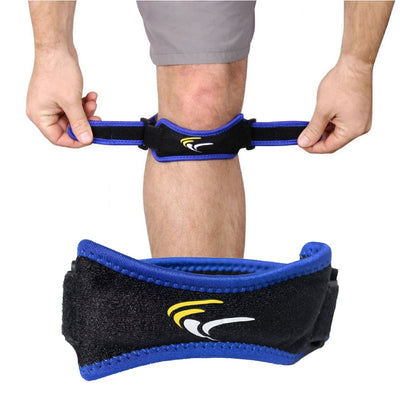
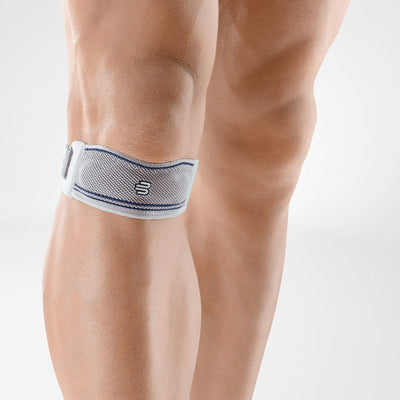
Patellar tendonitis braces range from a simple strap to a full sleeve with side hinges.
A single band below the kneecap. The lightest option for mild pain.
Compression around the joint with an opening at the kneecap.
A sleeve with a pad or ring that supports the kneecap and tendon.
Adds side hinges for people who also feel unsteady.
For most people, the best knee brace for patellar tendonitis is a strap for mild pain or a sleeve with patella support for broader soreness. A patellar tendinopathy knee brace should stay in place during jumps and quick stops, without pinching behind the knee.
If you play hard several times a week, a sleeve with a built-in pad or strap gives more steady support than a strap alone. Some players wear both: a sleeve for compression and a strap for the tendon.
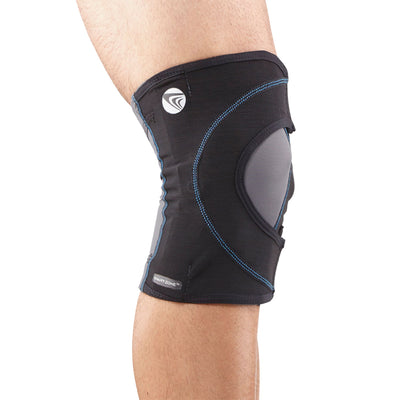
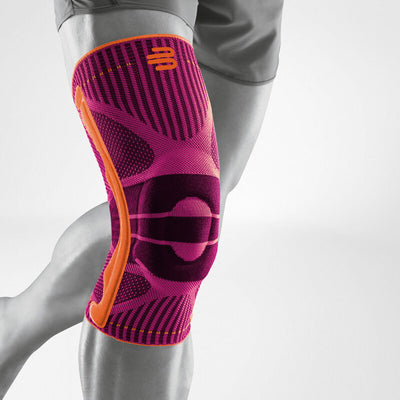

Jumper's knee is very common in court sports. A study in the American Journal of Sports Medicine found current jumper's knee in 14.2% of elite athletes overall. It was most common in volleyball, at 44.6%, and basketball, at 31.9%.
A jumpers knee brace for court sports should be light, breathable and secure. An open patella sleeve with padding adds support around the kneecap without limiting your jump. Check your league's rules if your brace has metal hinges.

Runners often feel tendon pain on hills, stairs and longer runs. A knee brace strap for runners sits just below the kneecap and stays out of the way of your stride. For runners who want more support, a low-profile sleeve with patella support is the next step up.

Pain just below the kneecap usually means the patellar tendon. Pain just above it often means the quadriceps tendon, which connects the thigh muscles to the top of the kneecap. Both respond to rest, load management and strengthening.
A strap targets the tendon below the kneecap. For pain above the kneecap, or both, a knee brace for tendonitis that covers the whole joint, such as a compression sleeve with patella support, is usually the better fit.
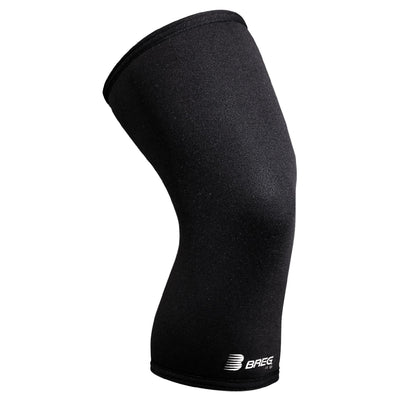
A strap is lighter, cheaper and focused right on the tendon. A sleeve covers more of the knee and adds warmth and compression. Here is a simple way to choose:
Many athletes keep playing with mild jumper's knee, as long as the pain stays low and doesn't get worse from one session to the next. A strap or sleeve can make that easier, but the real work happens in training: cutting back on jumping volume, then building strength slowly.
Osgood-Schlatter disease causes pain and swelling at the bump just below the knee, where the patellar tendon attaches to the shinbone. AAOS OrthoInfo calls it a common cause of knee pain in growing adolescents, and notes that symptoms usually fade when growth slows, around age 14 for girls and 16 for boys.
AAOS lists rest, ice, stretching and a patellar tendon strap among the simple treatments. The straps above come in adult sizes; check each size chart to see whether one fits your child. Continued activity won't cause long-term damage, but cutting back on painful jumping can help.

Bend your knee slightly and place the pad on the soft tendon just below the kneecap.
You should fit a finger under the strap. Numbness or tingling means loosen it.
Put it on for sports, runs and long days on your feet, then take it off at rest.
Strengthening and stretching help the tendon handle load over time.
Some patellar tendonitis braces have an HCPCS code, the billing code Medicare and insurers use for medical equipment. We don't bill insurance, but you can submit your receipt to your insurer for possible reimbursement. Most of our braces are also HSA and FSA eligible.

US-based team, Monday to Friday
Not sure which strap or sleeve fits your jumper's knee? Tell us your sport, where the pain sits and how often you train. Our specialists can help you choose a size and style before you buy, and after your brace arrives you can use our fitting videos or book a virtual fitting session.
Unused items in their original packaging can be returned or exchanged within 30 days of purchase. See our Return Policy for details.
Contact Our TeamFor mild pain, a patellar tendon strap. For broader soreness or more coverage, a sleeve with patella support. Many athletes use a strap during play and a sleeve for longer days.
Suggested: Brace Direct Patella Knee Strap or Breg FreeSport Knee Brace
For many people, yes. The strap presses lightly on the tendon below the kneecap, which can ease pain during jumping and landing. It works best with rest and strengthening.
Suggested: Bauerfeind GenuPoint Knee Strap
A strap targets pain in one spot below the kneecap. A sleeve is better if the knee aches more broadly or you also want warmth and compression.
Suggested: Breg Neoprene Knee Brace with Open Patella Design
On the tendon, just below the kneecap. Bend your knee slightly and slide the pad until it rests on the soft area between the kneecap and the bump on your shinbone.
Many people keep playing with a strap while they work on rehab. If pain gets worse during or after play, or changes how you move, rest and see a doctor.
Suggested: Brace Direct Patella Knee Strap
It varies. Mild cases can settle in weeks with rest and rehab, while long-standing tendinopathy can take months. A doctor or physical therapist can guide your return to sport.
Most people wear it only for sports, runs or long days on their feet. Take it off at rest so your skin can breathe.
The strap applies light pressure to the patellar tendon. That changes how force travels through the tendon and can ease pain during activity.