
U.S-Based Expert Support
M–F 9a–5p EST
M–F 9a–5p EST
The best back brace for spinal stenosis is usually an adjustable lumbar spinal stenosis brace, or LSO, that supports your lower back while you stand and walk without pushing you into an arch. Will a back brace help with spinal stenosis? As the best back support for spinal stenosis, it can make walks and errands more comfortable, though it can't widen the narrowed space around your nerves.

Firm lower back support can make walks and errands easier to finish.
A brace shares the load with tired back muscles during long periods on your feet.
Pulley closures and removable panels let you change support through the day.
Spinal stenosis happens when the space inside the spine gets too small, which can put pressure on the spinal cord and nerves. Mayo Clinic notes that it happens most often in the lower back and the neck, and that most people with spinal stenosis are older than 50.
In the lower back, stenosis often causes pain or cramping in one or both legs when you stand for a long time or walk. Symptoms get better when you bend forward or sit. AAOS OrthoInfo adds that some people can walk farther while leaning on a shopping cart.

AAOS names arthritis as the most common cause of spinal stenosis. As discs shrink and the spine settles with age, the small facet joints at the back of the spine take more pressure and can wear down too.
Wear and tear in the spine, also called spondylosis, can cause bone spurs that crowd the nerves.
Bulging or herniated discs can push into the space where the nerves run.
The ligaments that hold the spine together can stiffen and thicken over time.
See a doctor if leg weakness, numbness or pain is getting worse. Get care right away for trouble controlling your bladder or bowels. A brace supports your back; it doesn't treat the cause.
A back brace can help with spinal stenosis by supporting the lower back while you stand and walk. It can't widen the spinal canal, but many people find errands, walks and household tasks more comfortable with one.
Firm panels share the load with tired muscles during standing and walking.
A brace discourages leaning back, the position that tends to make stenosis worse.
Compression around the belly helps carry your weight more evenly.
For most people, a lumbar spinal stenosis brace is an LSO with a firm back panel. Some LSOs let you add or remove panels, so you can choose more support on hard days and less when you feel better. If you also have a rounded upper back, a taller TLSO covers more of the spine.
The best back brace for spinal stenosis gives firm support without pushing your lower back into an arch. Look for a brace you can tighten with pulleys, so you can adjust it when you sit and stand. Is a flexion brace good for spinal stenosis? A brace that lets you lean slightly forward often feels better than one that holds you very upright, so try it while you walk around the house.


Arthritis in the lower back causes stiffness, aching and pain that is often worse after rest or long periods of standing. A supportive LSO can ease pain during daily tasks by steadying the spine. Pick one with a closure you can manage easily if arthritis also affects your hands.
Is heat or ice better for back arthritis? Many people find heat eases stiffness, while ice helps after activity that causes a flare. Ask your doctor what suits you.
Spondylosis is a general term for wear and tear in the spine, including disc thinning and bone spurs. It is a form of arthritis of the spine, and it is one of the main reasons stenosis develops. A back brace can ease spondylosis pain during activity the same way it helps arthritis, but it doesn't slow the wear.
The facet joints are small joints at the back of each vertebra. When they wear down, leaning back, twisting or standing for a long time can hurt. A brace that limits arching and twisting can ease facet joint pain during the day. Facet pain usually feels worse when leaning back because that position presses the joints together.
Ankylosing spondylitis is a type of arthritis that causes inflammation in parts of the spine. The National Institute of Arthritis and Musculoskeletal and Skin Diseases notes that lower back or hip pain and stiffness are the most common symptoms, and that practicing good posture can help you stand straighter and feel less pain.
A light posture brace can remind you to stand tall during the day. It's no replacement for the exercise and treatment your rheumatologist recommends, so ask before you start wearing one.


Put it on before activities that bring on leg pain, and take it off to sit and rest.
Sitting or leaning forward eases stenosis symptoms, so plan short breaks during long walks.
Ease the pulleys a little when you sit so the brace doesn't press into your hips.
Gentle exercise such as a stationary bike keeps your back and legs strong.
Most spinal stenosis braces are coded as lumbar sacral orthoses and have an HCPCS code, the billing code Medicare and insurers use for medical equipment. We don't bill insurance, but you can submit your receipt to your insurer for possible reimbursement. Most of our braces are also HSA and FSA eligible.

US-based team, Monday to Friday
Not sure which brace fits your stenosis? Tell us how far you can walk, what eases your pain and what your doctor said. Our specialists can help you choose a size and style before you buy, and after your brace arrives you can use our fitting videos or book a virtual fitting session.
Unused items in their original packaging can be returned or exchanged within 30 days of purchase. See our Return Policy for details.
Contact Our TeamIt can make standing and walking more comfortable by supporting your lower back. It can't widen the narrowed space around the nerves, so use it alongside the plan from your doctor or therapist.
Suggested: Brace Align Core Pro LSO Back Brace
An adjustable LSO with a firm back panel suits most people. Choose one that lets you lean slightly forward and that you can tighten with pulleys.
Suggested: Brace Align Core Pro LSO Back Brace or Ossur Miami LSO Belt
Most people do best wearing it for walks, errands and long periods of standing, then taking it off to rest. All-day wear is only for cases your doctor recommends.
A brace that holds your lower back in an arch may feel worse, since leaning back often increases stenosis pain. If a brace makes leg pain worse, stop wearing it and talk to your doctor.
It can ease pain and stiffness during daily tasks by steadying the spine. Heat, gentle exercise and your doctor's treatment plan matter just as much.
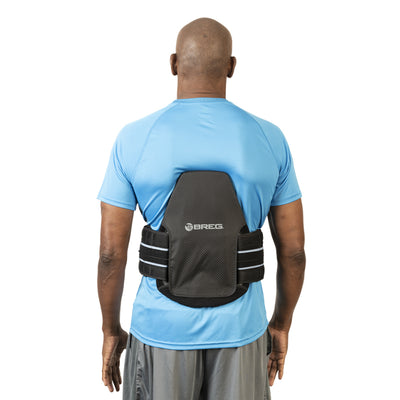
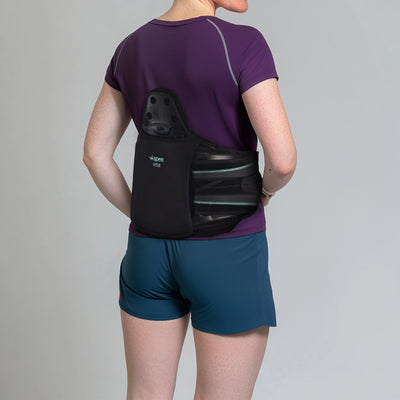
Suggested: Breg Epic LP LSO 637/650 Back Brace or Aspen Vista 637 LSO Back Brace
Physical therapy, staying active, seated breaks and medicines your doctor recommends can all help. Some people need injections or surgery when other care doesn't work.