
U.S-Based Expert Support
M–F 9a–5p EST
M–F 9a–5p EST
The best hand brace for arthritis supports the joints that hurt while leaving the rest of your hand free to work: a wrist brace for wrist arthritis, a thumb splint for the base of the thumb, or a resting hand splint for night and stiffness. For hand contractures, resting hand splints and WHFOs hold the fingers and wrist in a gentle stretch.

A splint limits the motion that makes arthritic joints ache.
A resting splint holds the hand in a comfortable position overnight.
A contracture splint keeps tight fingers and wrists from curling further.
Arthritis means a joint is inflamed or its cartilage is wearing down. The hand and wrist have many small joints working together, so arthritis here can make gripping, writing and opening jars hard.
AAOS names osteoarthritis and rheumatoid arthritis as the most common types of arthritis. Osteoarthritis is the wear-and-tear type, and it's much more common. In a large study of adults 55 and older, 35.8% had arthritis at the base of the thumb on X-ray.
A contracture is different. It's a joint that stays bent and can't fully straighten, often after a stroke, a brain injury or long-term arthritis. Dupuytren's contracture is a related condition where tissue in the palm thickens and pulls the fingers into the palm.

Hand pain and stiffness have a few main causes. Knowing yours helps you pick the right support.
Cartilage wears down with age and use. The World Health Organization reports that about 73% of people living with osteoarthritis are older than 55.
An autoimmune disease that attacks the joint lining. NIAMS notes it's more common in the wrists, hands and feet, often on both sides of the body.
Stroke, brain or spinal injury, burns and long-term arthritis can leave the hand or wrist stuck in a bent position.
See a doctor for swollen, warm joints, especially in both hands, since early treatment of rheumatoid arthritis matters. A brace eases pain and supports position; it doesn't treat the disease.
A hand or wrist splint helps anyone whose joints hurt with use or stiffen at rest. These are the people we help most often.
A thumb splint supports the CMC joint for pinching and gripping.
A wrist brace with a stay calms pain during chores and work.
Resting splints ease flares and morning stiffness in both hands.
A resting WHFO holds a tight hand and wrist in a gentle stretch.
A hand splint may be used after treatment to keep the fingers straighter.
An easy-on resting splint helps when someone else puts it on each night.
AAOS explains that arthritic joints can be splinted to limit motion and reduce pain, and that splints are typically worn during periods when the joints hurt. The same source warns that wearing a splint for too long can weaken the muscles, so balance brace time with gentle movement.
Holds sore joints still during tasks or flares.
Keeps the wrist and fingers in a comfortable, neutral line overnight.
Contracture splints keep tight tissue lengthened for long periods.
Arthritis hand braces range from slim wrist supports to full resting splints. Match the brace to the joints that hurt and when they hurt.
Support the wrist with a stay and leave the fingers free for daily tasks.
Support the base of the thumb for pinching and gripping.
Cover both joints when arthritis affects the wrist and thumb.
Support the wrist, hand and fingers, mostly for night and contractures.
Use an adjustable joint to hold a wrist stretch.
Yes, for many people a hand splint eases pain by resting the joints that hurt. A wrist and thumb spica is a good all-round choice when arthritis affects the thumb side of the hand and wrist. It supports both joints and leaves the fingers free.
Wear the splint during tasks that cause pain, such as gardening, carrying bags or long drives. Take it off for gentle range of motion exercises so your hand stays strong.
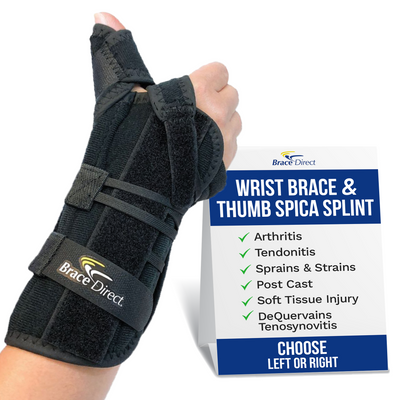


A wrist brace for arthritis does two different jobs. During the day, a slimmer brace with a stay supports the wrist while you type, cook or lift. At night, a firmer splint keeps the wrist straight so you wake up with less stiffness.
AAOS notes that morning pain and stiffness are typical with hand arthritis, and that pain often eases with rest. Many people use a night splint every night and a day brace only for heavy or long tasks.


Rheumatoid arthritis, or RA, is a chronic autoimmune disease. NIAMS explains that it's more common in the wrists, hands and feet, and that symptoms often happen on both sides of the body. It's also more common in women than men.
Splints can help during flares and at night. A resting splint keeps swollen joints in a comfortable position, and a wrist brace supports the wrist for daily tasks. Your rheumatologist or hand therapist can tell you how long to wear a brace during a flare.
WHFO stands for wrist hand finger orthosis. It's a resting hand splint that supports the forearm, wrist, palm and fingers in one piece. A WHO, or wrist hand orthosis, supports the wrist and hand but leaves the fingers free.
Resting hand splints are mostly worn at night or during rest. They hold the hand in a relaxed, open position, which can ease arthritis pain and stiffness. They're also used for contractures, when tight muscles pull the wrist or fingers into a curl.


A hand contracture splint holds tight fingers and the thumb in a gentle, open stretch for long periods. It's often used after a stroke or brain injury, when muscles stay tight and pull the hand into a fist. Holding a stretch can help keep the skin clean and make the hand easier to care for.
With Dupuytren's contracture, thickened tissue in the palm pulls one or more fingers toward the palm. A splint can't reverse it, but doctors often use one after treatment to help keep the fingers straighter. Ask your hand therapist how many hours a day to wear it.

After a stroke or brain injury, the wrist can get pulled into a bent-down position. A wrist contracture splint holds the wrist in a stretch to help keep that from getting worse. Hinged versions let your therapist set the angle and open it up over time.
Contracture splints are usually prescribed by a therapist, who sets the angle and the wear schedule. Start with short sessions and watch the skin closely, especially if feeling in the hand is reduced.

The joint at the base of the thumb, the CMC joint, is one of the most common places for hand arthritis. Pain flares when you pinch, grip or turn a key. A thumb splint that supports this joint can make those tasks easier.
Choose a firm splint with stays for flares and night use. A softer thumb support can feel better for long days. Our thumb guide goes deeper on thumb braces.
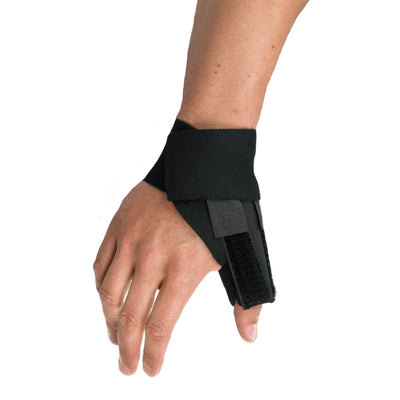
Wear the brace when joints hurt or at night, and take it off for gentle exercise.
Wide hook-and-loop straps are easier for sore fingers than laces or buckles.
Look for red marks on the knuckles, thumb web and wrist after each use.
Many people find a warm wash before putting on a day brace eases morning stiffness.
Most arthritis splints and resting hand orthoses have an HCPCS code, the billing code Medicare and insurers use for medical equipment. We don't bill insurance, but you can submit your receipt to your insurer for possible reimbursement. Most of our braces are also HSA and FSA eligible.

US-based team, Monday to Friday
Not sure which arthritis hand brace fits you? Tell us which joints hurt, when they hurt most and whether you need help putting a brace on. Our specialists can help you choose a size and style before you buy, and after your brace arrives you can use our fitting videos or book a virtual fitting session.
Unused items in their original packaging can be returned or exchanged within 30 days of purchase. See our Return Policy for details.
Contact Our TeamThey can. A splint limits the motion that makes arthritic joints hurt, and many people feel less pain during tasks and at night. Balance brace time with gentle exercise.
Suggested: Brace Direct Wrist Splint with Thumb Spica
Many people do. A resting splint or night wrist splint keeps the hand in a comfortable position, which can ease morning stiffness.
Suggested: Brace Direct Carpal Tunnel Wrist Brace Night Splint
It supports the wrist, hand and fingers in a relaxed position during rest or sleep. It's used for arthritis flares, stiffness and contractures.
Suggested: OCSI SoftPro CHAMP Resting WHFO
A splint can hold tight fingers and the wrist in a gentle stretch, which may help keep a contracture from getting worse. A therapist usually sets the angle and wear time.
It depends on why you wear it. Arthritis splints are usually worn when joints hurt and at night, while contracture splints follow a therapist's schedule. Wearing a splint too long can weaken muscles.
Yes. A wrist brace with a stay limits painful motion during the day, and a firmer night splint keeps the wrist straight while you sleep.
Suggested: Ossur FormFit Pro Wrist Brace
A WHO, or wrist hand orthosis, supports the wrist and hand. A WHFO, or wrist hand finger orthosis, also supports the fingers.
Many WHFOs have HCPCS codes such as L3807 or L3809, and coverage depends on your plan. We don't bill insurance, but you can submit your receipt to your insurer for possible reimbursement.