Quick Guide: How Night Splints Help
Why Night Splints?
During sleep, your foot naturally points downward. That lets the plantar fascia contract and tighten. Night splints hold your foot at a slight lift—usually around 90°—so the fascia stays stretched. By stopping overnight tightening, you reduce morning “first-step” pain and give the tissue time to repair.
-
Prevents Tightening: Keeps tissue lengthened all night.
-
Reduces Pain: Less sharp heel pain on waking.
-
Speeds Healing: Continuous gentle stretch aids recovery.
Types of Night Splints
-
Soft 90° Boot Splint: A padded boot that holds your foot at exactly a right angle. The soft liner and wide straps wrap around your calf and foot. It delivers a firm, consistent stretch—ideal for moderate to severe pain.
-
Dorsal Strap Splint: A low-profile brace that straps over the top of your foot and shin. It keeps your foot flexed with minimal bulk, making it easier to roll over in bed and more comfortable for lighter support needs.
Tip: If you prefer a precise stretch and don’t mind a sturdier boot, choose the 90° splint. If you want less bulk and still need overnight hold, go with the dorsal strap design.
Using & Caring for Your Splint
-
Wear Overnight: Put it on before bedtime and leave it on 6–8 hours.
-
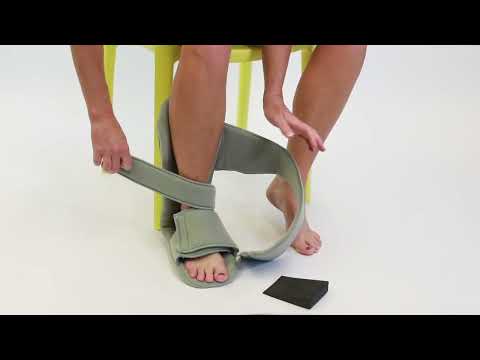
Adjust Snugly: Tighten straps so it’s secure but not painful.
-
Morning Stretch: After removing, do 3 sets of calf raises and 30-second plantar fascia stretches.
-
Rotate Feet: Alternate which foot you treat first to let the other rest.
-
Break-In Period: If new, start with 2–3 hours the first night and add an hour each night.
-
Clean Weekly: Wipe padding with mild soap and air-dry completely before reuse.
 ▶
▶
How to fit your night splint
Recommended Night Splints for Plantar Fasciitis

90° Comfort Splint
Soft boot holds your foot at a right angle all night. Wide straps and plush padding deliver a steady, comfortable stretch.
Shop Now

Dorsal Strap Splint
Slim strap design lifts your foot into dorsiflexion without the bulk of a full boot. Great for lighter support.
Shop Now
Need Help Choosing?
Not sure which splint fits you best? Our Brace Direct experts can guide you to the right overnight support for faster, pain-free mornings.